
• fr
  • en

Nos orientations et nos actions concrètes

Nos orientations

Afin de faciliter le développement durable des zones de montagne, nous orientons nos réflexions sur :
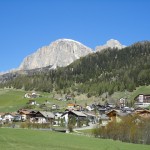
  • dolomites-208685_640Le développement économique : mieux valoriser l’économie existante ; diversifier l’économie.
  • Le capital humain : favoriser la transmission d’entreprise aux jeunes générations; promouvoir l’esprit d’entreprise ; développer la formation et la diversification des compétences.
  • Les ressources naturelles et patrimoniales : mieux gérer et préserver l’environnement : l’eau, les déchets, l’énergie, les milieux naturels et les paysages dans le cadre d’une approche globale (massif, lien ville/zones basses…) ; rémunérer les externalités positives ; s’adapter aux changements climatiques.
  • Les services et réseaux : résoudre dans les meilleurs délais les questions d’accessibilité physique et de communications électroniques ; accompagner les entreprises dans l’usage des TIC ; mettre en place des services au public efficaces.
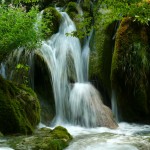
  • croatia-78068_1920La culture et les traditions : valoriser les initiatives (promotion, événements, lien école/montagne…) en faisant partager à toutes les générations les synergies positives entre économie et environnement ; pour les produits en particulier, mettre en place un cadre adéquat permettant la protection, la reconnaissance et la valorisation des produits de montagne.
  • Les politiques ou la gouvernance des zones de montagne : utiliser les avantages de la subsidiarité en s’appuyant sur les politiques nationales et régionales, avec notamment le souci d’une approche intégrée prenant en compte les spécificités montagne, les logiques de massifs, la meilleure articulation montagne/zones basses-villes et in fine la mise en œuvre d’une réelle cohésion territoriale.


Nos actions concrètes
silhouette-74565_640Euromontana remplit sa mission en mettant en œuvre les quatre types d’actions suivantes :

  • Représenter les communautés de montagne en entretenant des liens réguliers avec les institutions européennes, les gouvernements nationaux, et les instances inter-gouvernementales gouvernant les massifs ; en étant force de proposition dans la révision des politiques européennes qui impactent les montagnes, en élaborant ces propositions avec l’ensemble des membres de façon à ce qu’elles soient représentatives et riches.
  • Promouvoir les richesses des montagnes et la valeur ajoutée pour l’Europe d’investissements durables dans ces territoires : par l’organisation d’événements (conférences, séminaires, rencontres, assises…) et la publication d’articles et de rapports.
  • Organiser la coopération entre les montagnards par le montage et la gestion de projets européens (Recherche, coopération territoriale, formation, échanges…) ; par l’animation de discussions et d’échanges entre membres sur des thèmes d’actions prioritaires.
  • Réaliser, participer à la réalisation ou la collecte d’études qui enrichissent notre connaissance collective sur la situation des zones de montagne et les orientations à prendre pour leur développement durable.Ces actions concrètes se déclinent sur différents thèmes de travail considérés comme prioritaires par le comité directeur pour la période 2012-2016.
Share

Euromontana sur Facebook

2 days ago

Euromontana
🧊 Glaciers matter for water, food and livelihoods in mountains and beyond. This is what we are highlighting this year on 11 December, International Mountain Day.Every year, this day provides an opportunity to emphasise the crucial importance of these areas in terms of natural resources, biodiversity, identity, cultural heritage, ways of life, and more resilient models. However, all of this is under threat from climate change, poorly targeted funding and negative perceptions of pastoral professions.Today, we are putting the spotlight on these endangered ice giants throughout our mountain ranges!Did you know that: 💧The Alps alone provide 40% of Europe's fresh water?💡Glacier retreat will reduce hydroelectric energy production by an average of 10% in the Alps and by up to 35% by 2070 compared to today?🌱68% of irrigated agricultural land in the plains depends directly on water runoff from the mountains? ⛰️By 2034 the Pyrenees will be ice-free?📢An appropriate governance of glacier is needed to counteract the rapid changes!🧊 By signing the manifesto for better European governance of glaciers alongside 80 other organisations, we are calling for immediate and targeted political responses to the economic, social and environmental impacts of climate change.Have a look 👉 www.euromontana.org/european-manifesto-for-a-governance-of-glaciers-and-connected-resources/ #IMD2025 #InternationalMountainDay #MountainsMatterMountain Partnership ... See MoreSee Less
View on Facebook

1 week ago

Euromontana
Euromontana was pleased to take part as an observer in the 16th Meeting of the Carpathian Convention Implementation Committee in Belgrade on 2–3 December. We were represented by Rey Adrian - Radu, Vice-President of Euromontana and President of Asociatia RoMontana ⛰️We welcomed the opportunity to underline the importance of stronger cooperation between European mountain regions, especially ahead of the International Year of Rangelands and Pastoralists 2026 (IYRP2026), and to explore avenues for joint work on sustainable land management, resilient rural territories and pastoral practices 🌱 🐑 🐄 🤝 We look forward to continuing our collaboration with the Carpathian Convention and its members to protect mountain ecosystems and support the vitality of mountain communities across Europe!Photo Credits: SCC; Ministry of Environmental Protection of the Republic of Serbia. ... See MoreSee Less
View on Facebook

3 weeks ago

Euromontana
🐏 Join us next week for an inspiring online exchange dedicated to revitalizing pastoralism in Europe’s mountain and rural regions, ad part of the LIFE Programme project ShepForBio !This forum "Shepherding Futures: Training, Innovation, and Rural Revival" will bring together pastoral schools, experts, and practitioners to explore new approaches to training, knowledge sharing, and business innovation in extensive livestock systems 👀👉 Discover real-world experiences and case studies that show how shepherds’ education, ecological stewardship, and rural entrepreneurship can go hand in hand, ensuring a resilient and sustainable future for pastoral communities.📅 4 December from 2:00 p.m. to 4:00 p.m.📍 Online www.euromontana.org/third-forum-with-european-pastoral-schools-shepherding-futures/ ... See MoreSee Less
View on Facebook

2 months ago

Euromontana
👀𝗦𝗮𝘃𝗲 𝘁𝗵𝗲 𝗱𝗮𝘁𝗲 𝗳𝗼𝗿 𝘁𝗵𝗲 𝟮𝟬𝟮𝟲 𝗘𝘂𝗿𝗼𝗽𝗲𝗮𝗻 𝗠𝗼𝘂𝗻𝘁𝗮𝗶𝗻 𝗖𝗼𝗻𝘃𝗲𝗻𝘁𝗶𝗼𝗻!Join us in the heart of the Alps for the 14th edition of the European Mountain Convention, organized by SUACI Montagn'Alpes and Euromontana, under the theme of extensive livestock farming and pastoral practices 👩‍🌾 🏔️ Taking place during the International Year of Rangelands and Pastoralism 2026, the event will bring together farmers, researchers, policymakers, practitioners and mountain stakeholders from across Europe in the iconic Mont-Blanc region 📍 🔎 Over three days, participants will explore the social, environmental, and economic challenges and opportunities of extensive livestock farming in mountain areas. 👉 When? 9, 10 & 11 June 2026👉 Where? Sallanches, Haute-Savoie, France 🤔 Expect study visits, interactive workshops, political plenary sessions and more! Visit the webpage: www.euromontana.org/xiii-european-mountain-convention-home/In the meantime, stay informed! Subscribe to the dedicated EMC 2026 mailing list to make sure you don’t miss any key updates, from programme details to the opening of registrations docs.google.com/forms/d/e/1FAIpQLSdsn28sgP9hVQ4qUO-pu5hwcETjxh5lk6zAqi0PElPJqk-YMQ/viewform?usp=h... #IYRP2026 #EMC2026 ... See MoreSee Less
View on Facebook

Euromontana sur Twitter