



En octobre 2018, la Commission européenne a présenté un plan d’action pour « développer une bioéconomie circulaire et durable au service de la société, de l’environnement et de l’économie européennes », soit la mise à jour de la stratégie de l’UE en matière de bioéconomie de 2012. Ce nouveau plan contient 14 actions concrètes qui seront lancées en 2019. Par exemple, il y a la création d’une plateforme thématique d’investissement dans la bioéconomie circulaire de 100 millions d’euros. Une autre action comprend le lancement d’actions pilotes pour le développement de la bioéconomie dans les zones rurales, côtières et urbaines, par exemple en matière de gestion des déchets ou de pratiques agricoles de stockage de carbone.
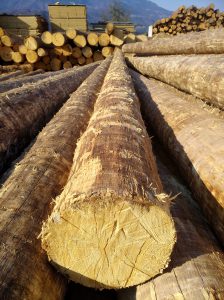 Selon la définition de l’UE, la bioéconomie « comprend les parties de l’économie qui utilisent les ressources biologiques renouvelables de la terre et de la mer – telles que les cultures, les forêts, les poissons, les animaux et les micro-organismes – pour produire des aliments, des matériaux et de l’énergie ». Le Centre de connaissances en bioéconomie de la Commission européenne estime que les industries agricoles et alimentaires représentent 76% des 18 millions d’emplois de la bioéconomie en 2015 et génèrent 67% du chiffre d’affaires (2,259 milliards € au total dans l’UE en 2015).
La bioéconomie apparaît donc comme une opportunité de générer de la valeur dans les zones rurales, et la bioéconomie circulaire (c’est-à-dire l’application du concept d’économie circulaire – transformer les déchets en ressources – aux ressources biologiques) comme une opportunité de faire circuler cette valeur localement dans l’économie rurale. Il existe déjà de nombreux exemples locaux de production et de consommation d’énergie, de transformation d’aliments, de marques territoriales, de valorisation des sous-produits, de transformation des déchets en nouveaux produits biologiques, etc. En parcourant la base de données des innovations sociales lancée par le projet H2020 SIMRA, vous trouverez des exemples concrets de telles initiatives. Vous pouvez également consulter l’article qu’Euromontana a écrit en 2017 sur la municipalité d’Alzen en France qui a utilisé les principes de la bioéconomie circulaire pour accroître son attractivité et quadruplé sa population.
Cependant, malgré l’accent politique mis récemment sur la bioéconomie, il n’existe pas de cadre politique clair. Les mesures visant à développer la bioéconomie se retrouvent dispersées à l’intérieur des politiques suivantes :
- Le paquet économie circulaire (par exemple, la plate-forme de l’UE sur les pertes et les déchets alimentaires),
- La stratégie de l’UE pour la bioéconomie de 2018 susmentionnée,
- La politique agricole commune (mesures de développement rural en matière de coopération, investissements, développement de l’agriculture et des entreprises, etc.)
- Le partenariat public-privé BBI JU – Bio-Based Industries Joint Undertaking (voir le projet BIOrescue ci-dessous)
- Divers programmes de financement tels qu’Horizon 2020 ou Interreg Espace Alpin (tels que le projet multi-acteurs H2020 Circular Agronomics ou le projet AlpBioEco Espace Alpin).
Le projet BIOrescue en particulier a travaillé sur l’identification de solutions pour déployer des systèmes agroalimentaires circulaires à travers l’Europe. Ces thèmes ont été abordés lors de la conférence « Vers une industrie agroalimentaire circulaire » le 4 avril 2019 à Bruxelles, à laquelle Euromontana a participé. Les résultats du projet montrent que des investissements dans des initiatives de recherche, en particulier des partenariats public-privé, sont encore nécessaires pour aider à relier le secteur agroalimentaire aux opportunités potentielles offertes par l’industrie des produits bio-sourcés. Dans les chaînes de valeur agroalimentaires, la collaboration et la formation, ainsi que les investissements dans l’infrastructure et la logistique, offriront également de fortes incitations au secteur pour s’orienter vers des pratiques commerciales circulaires. Mais pour que l’économie circulaire devienne une réalité dans l’industrie agroalimentaire, un cadre politique clair et cohérent sera essentiel. Un tel cadre politique nécessiterait une intégration plus étroite des objectifs politiques entre les secteurs, ce qui favoriserait une utilisation en cascade des ressources biomasse. Ainsi, des règles du jeu équitables pourront être créées pour les produits issus de la biotechnologie, pour éviter la concurrence avec la bioénergie notamment, tout en prioritisant la contribution des systèmes agroalimentaires à l’atténuation du changement climatique.
Pour en savoir plus à ce sujet, n’hésitez pas à visiter le Portail de la bioéconomie rurale lancé par l’ENRD, où vous trouverez des bonnes pratiques inspirantes, les résultats du Groupe thématique de l’ENRD sur » l’intégration de la bioéconomie » et des nouvelles liées à ce sujet.
3 mai 2019


