



 La région de Małopolska est située dans le sud de la Pologne. Elle est divisée en 19 districts, 3 agglomérations (Cracovie, Nowy Sącz, Tarnów) et 182 municipalités. Elle couvre une superficie de 15 183 km² (soit 5 % de la Pologne) et est l’une des plus petites régions de Pologne (12ème au niveau national). C’est en revanche l’une des plus grandes régions polonaises en ce qui concerne le nombre d’habitants – 3,4 millions de citoyens font de la Małopolska la deuxième région la plus densément peuplée, après la Silésie.
La capitale de la région est Cracovie, une ville dont l’histoire remonte au début du Moyen Âge. Elle a conservé son architecture et ses nombreux monuments, dont le Wawel et la Grand-Place, qui attirent chaque année de nombreux touristes. Cracovie fait également partie de l’histoire d’Euromontana puisque c’est là qu’il a été décidé de créer officiellement l’association en 1995.
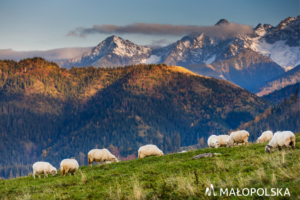 Un paysage exceptionnel, une nature unique, un nombre impressionnant de monuments historiques et une atmosphère unique sont les raisons pour lesquelles la région est visitée chaque année par plus d’une douzaine de millions de touristes polonais et étrangers. Pour cette raison, Małopolska se classe régulièrement depuis des années parmi les régions les plus visitées de Pologne. Il convient d’ajouter que la région de Małopolska est également leader en ce qui concerne le nombre de certificats de guide de montagne et le nombre d’établissements hôteliers.
La région de Małopolska compte plusieurs dizaines d’attractions touristiques et de chaînes de montagnes pittoresques. Les sommets des Hautes Tatras enveloppés de nuages, les rochers blancs du plateau de Cracovie-Częstochowa avec des ruines de châteaux, des villes historiques avec de belles places de marché et de vieux immeubles, des églises en bois, des stations balnéaires avec des eaux minérales, des piscines thermales, plus de 300 remontées mécaniques et 250 km de pistes de ski – ce ne sont là que quelques-unes des attractions qui attendent les visiteurs.
 Małopolska encourage les touristes à profiter de son offre en prenant soin de la protection de l’environnement naturel. Parmi les initiatives prises dans la région, le projet de développement des pistes cyclables mérite une attention particulière. Plus de 1000 kilomètres de pistes cyclables, bien développées, balisées et constituant un réseau intégré permettent aux amateurs de vélo d’atteindre les régions touristiques et naturelles les plus intéressantes de Małopolska.
En matière de tourisme durable, la région compte également de nombreuses zones protégées, dont 6 parcs nationaux, 11 parcs paysagers, 10 zones paysagères protégées, 85 réserves naturelles. La région abrite plus de 2 200 sites naturels. Au total, 53 % de la superficie totale de la région est protégée, ce qui fait de Małopolska la région qui compte le plus de zones protégées dans le pays.
Un nombre croissant d’initiatives visant à soutenir les régions de montagne et à leur assurer la possibilité d’une croissance durable sont prises en Małopolska. En raison de leurs caractéristiques socio-environnementales uniques, les Carpates constituent un élément important du paysage. Elles représentent également des défis et des possibilités de développement spécifiques. Compte tenu des spécificités uniques de cette zone, notamment en termes de protection de l’environnement naturel, Małopolska participe activement aux actions visant à développer la cinquième Stratégie Macro-Régionale de l’Union européenne : la Stratégie des Carpates. Małopolska veut faire de la Stratégie des Carpates un outil pour améliorer la qualité de vie des habitants, élargir l’accès aux services sociaux, renforcer la coopération économique et la cohésion au sein de la macro-région, y compris par des réseaux transfrontaliers.
La région Małopolska est convaincue que son adhésion à Euromontana l’aidera à accroître ses connaissances et son expérience en matière de développement des zones de montagne.
8 décembre 2021


