



La biodiversité a récemment été sous le feu des projecteurs, principalement en raison des nouvelles concernant la perte de biodiversité et la disparition d’espèces (voir le dernier rapport d’évaluation mondiale de l’IPBES publié le 06/05/2019).
Mais pour la première fois depuis 1843, un ours brun a été aperçu au Portugal, où il est officiellement considéré comme éteint par l’UICN. C’est un apiculteur du parc naturel de Montesinho, à Bragança (nord-ouest du Portugal), qui a noté la présence de l’ours après qu’il ait endommagé ses ruches. L’apiculteur en a informé l’Institut de Conservation de la Nature et des Forêts (ICNF), qui a envoyé des experts pour examiner le site et prélever des échantillons d’empreintes de pas, de fourrures et d’excréments. Sur la base de ces preuves, l’ICNF a confirmé la nouvelle.
Les ours mâles peuvent parcourir de longues distances à la recherche de nourriture et de nouveaux territoires. L’ours observé au Portugal provient probablement de la population occidentale des monts Cantabriques (Espagne). Selon la Fundación Oso Pardo espagnole, la population d’ours bruns y est passé à environ 280 individus à l’heure actuelle. Au cours des dernières années, des mâles des monts Cantabriques ont parfois été observés errant le long de la frontière hispano-portugaise. Dans le cadre de la collaboration transfrontalière, l’ICNF et les autorités espagnoles de protection de la nature surveillent les mouvements des ours à mesure que ceux-ci s’étendent sur de nouveaux territoires.
Le retour de l’ours brun au Portugal est important pour de multiples raisons. Tout d’abord, 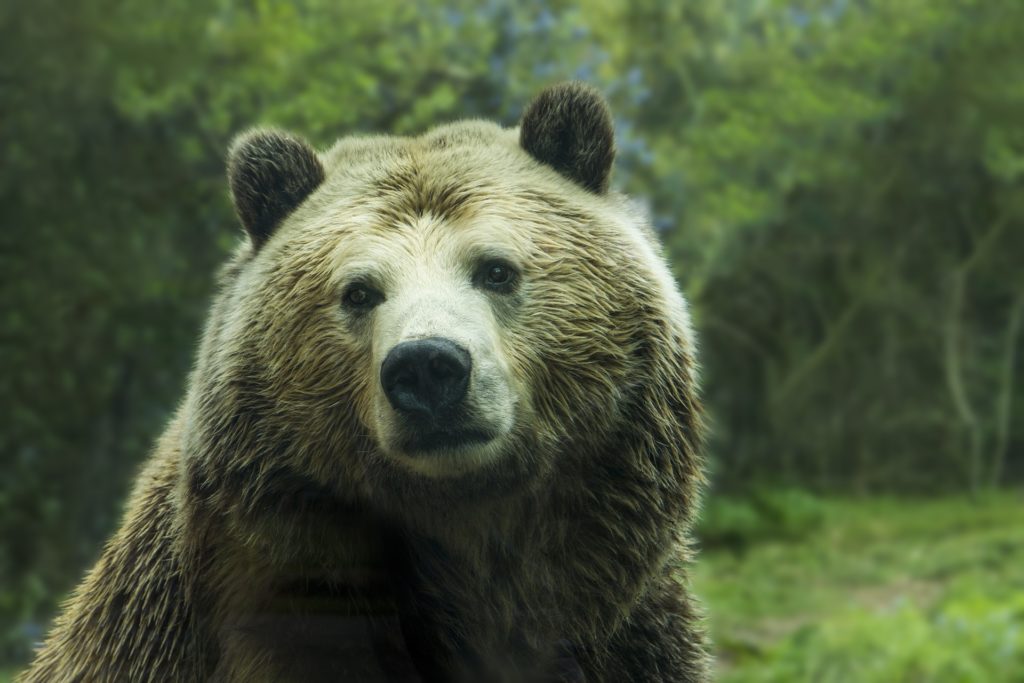 l’ours fait partie du patrimoine naturel et culturel portugais, et le public a réagi avec beaucoup d’enthousiasme à cette nouvelle. En outre, l’aspect scientifique est également important. Comme le dit João Azevedo du Centro de Investigação de Montanha, membre d’Euromontana, il est intéressant de « voir comment les ours utiliseront l’habitat et le paysage, et comment les écosystèmes et les paysages seront affectés. Cela est également important dans l’analyse du dépeuplement-abandon-renforcement des montagnes au Portugal et dans d’autres parties de l’Europe ». Le dépeuplement et l’abandon des terres ont de nombreux effets négatifs, comme l’augmentation des incendies de forêt. Mais cela peut également avoir des aspects positifs, comme l’augmentation des services écosystémiques et le retour d’espèces sauvages emblématiques comme les ours. Ceci est lié au troisième aspect – les opportunités économiques. Comme de nombreux citoyens européens s’intéressent aux ours, les communautés de montagne portugaises peuvent utiliser cet intérêt pour générer des revenus durables, par exemple en observant les ours ou en créant des labels et des marques de produits provenant des territoires peuplés d’ours.
Cependant, pour l’instant, il ne s’agit que d’un seul ours, et les experts portugais ne savent pas si une population stable d’ours est envisageable au Portugal. Les ours ont besoin de grandes superficies d’habitat continu pour se nourrir et s’abriter. En réalité, l’extinction de l’ours au Portugal a été causée par la modification de la couverture terrestre et la fragmentation de l’habitat. De plus, les habitats potentiels des ours doivent offrir suffisamment de ressources naturelles de nourriture pour éviter que les ours ne s’approchent des établissements humains à la recherche de nourriture, comme des ruches ou des déchets. Comme il n’existe actuellement qu’un cadre d’évaluation et d’indemnisation des dommages causés par le loup au Portugal, l’ICNF recommande l’utilisation de clôtures électriques pour protéger les ruches jusqu’à ce que l’on dispose de plus amples informations sur la présence des ours dans la région.
Euromontana continuera à suivre la situation et à vous tenir au courant des développements futurs.
23 mai 2019


