
• fr
  • en

Microplastiques dans les Pyrénées, une nouvelle pollution invisible en montagne


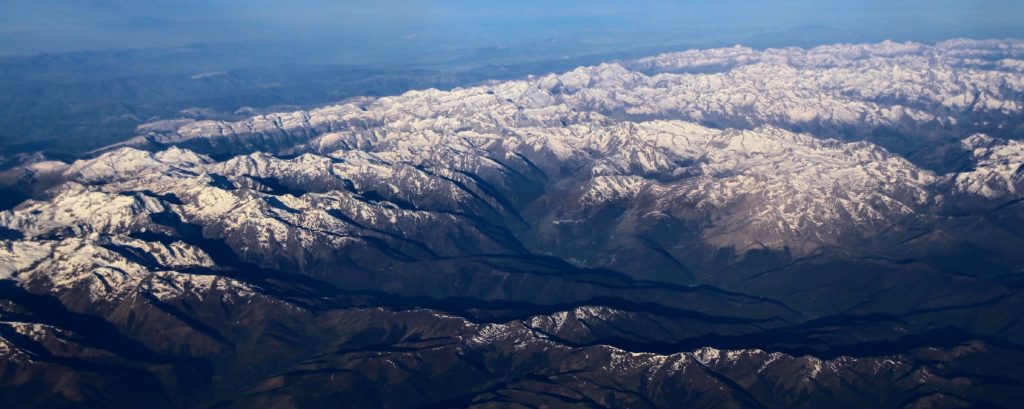
Imaginez-vous en train de marcher dans les Pyrénées. De la neige au sommet des montagnes, des insectes qui bourdonnent autour des fleurs, des moutons qui pâturent, une rivière alimentée par les derniers glaciers des Pyrénées. Un environnement si naturel, apparemment loin de tout impact humain.

Mais les apparences sont trompeuses. En avril dernier, un article a été publié dans le journal Nature Geoscience par des chercheurs d’universités écossaises et françaises. Selon l’article, même les Pyrénées ne sont pas assez éloignées pour échapper à la pollution plastique. Celui-ci se dégrade jusqu’à former de minuscules morceaux, appelés microplastiques. Alors que leur présence dans l’eau et les sols a fait l’objet d’une attention croissante au cours des dernières années, par exemple par le National Geographic, la présence de microplastiques dans l’atmosphère était jusqu’ici largement inconnue.

Le site de recherche pour cette étude, la station météorologique de Bernadouze, située dans le sud-ouest de la France (Ariège), est située à 1425 mètres d’altitude. Des recherches ont confirmé que les microplastiques peuvent être transportés par l’atmosphère et déposés loin de leur point d’origine. Ce qui signifie qu’ils se propagent dans l’air, voyagent sur une certaine distance avec les courants, puis se déposent principalement dans la pluie et la neige. Plus précisément, environ 365 particules microplastiques par mètre carré ont été trouvées quotidiennement sur ce site de recherche. Ce niveau de concentration est surprenant, car il est comparable à celui de grandes villes comme Paris, connue pour ses problèmes de pollution atmosphérique.

Cependant, on ne sait toujours pas d’où proviennent ces microplastiques, et pourquoi à une telle concentration, puisqu’il n’y a aucune ville industrialisée et densément peuplée dans un rayon de 100 km au moins. D’où la nécessité d’approfondir les recherches, à la fois pour mieux comprendre la dynamique atmosphérique des microplastiques, mais aussi leurs effets sur l’environnement et la santé humaine, toujours méconnus. Hélas, il ne fait aucun doute aujourd’hui que les microplastiques sont une nouvelle forme de pollution invisible de l’air, qui ne se limite pas à un spectre local mais atteint bel et bien régions éloignées et sommets montagneux.


Share
2 mai 2019

Euromontana sur Facebook

1 week ago

Euromontana
🐏 Join us next week for an inspiring online exchange dedicated to revitalizing pastoralism in Europe’s mountain and rural regions, ad part of the LIFE Programme project ShepForBio !This forum "Shepherding Futures: Training, Innovation, and Rural Revival" will bring together pastoral schools, experts, and practitioners to explore new approaches to training, knowledge sharing, and business innovation in extensive livestock systems 👀👉 Discover real-world experiences and case studies that show how shepherds’ education, ecological stewardship, and rural entrepreneurship can go hand in hand, ensuring a resilient and sustainable future for pastoral communities.📅 4 December from 2:00 p.m. to 4:00 p.m.📍 Online www.euromontana.org/third-forum-with-european-pastoral-schools-shepherding-futures/ ... See MoreSee Less
View on Facebook

1 month ago

Euromontana
👀𝗦𝗮𝘃𝗲 𝘁𝗵𝗲 𝗱𝗮𝘁𝗲 𝗳𝗼𝗿 𝘁𝗵𝗲 𝟮𝟬𝟮𝟲 𝗘𝘂𝗿𝗼𝗽𝗲𝗮𝗻 𝗠𝗼𝘂𝗻𝘁𝗮𝗶𝗻 𝗖𝗼𝗻𝘃𝗲𝗻𝘁𝗶𝗼𝗻!Join us in the heart of the Alps for the 14th edition of the European Mountain Convention, organized by SUACI Montagn'Alpes and Euromontana, under the theme of extensive livestock farming and pastoral practices 👩‍🌾 🏔️ Taking place during the International Year of Rangelands and Pastoralism 2026, the event will bring together farmers, researchers, policymakers, practitioners and mountain stakeholders from across Europe in the iconic Mont-Blanc region 📍 🔎 Over three days, participants will explore the social, environmental, and economic challenges and opportunities of extensive livestock farming in mountain areas. 👉 When? 9, 10 & 11 June 2026👉 Where? Sallanches, Haute-Savoie, France 🤔 Expect study visits, interactive workshops, political plenary sessions and more! Visit the webpage: www.euromontana.org/xiii-european-mountain-convention-home/In the meantime, stay informed! Subscribe to the dedicated EMC 2026 mailing list to make sure you don’t miss any key updates, from programme details to the opening of registrations docs.google.com/forms/d/e/1FAIpQLSdsn28sgP9hVQ4qUO-pu5hwcETjxh5lk6zAqi0PElPJqk-YMQ/viewform?usp=h... #IYRP2026 #EMC2026 ... See MoreSee Less
View on Facebook

2 months ago

Euromontana
In case you missed the news, Euromontana is turning3️⃣0️⃣!We celebrate the signing of the Krakow Declaration, a major milestone in the creation of our network 🥳 To renew its ambitions and reflect on the progress made, our network gathered in early September in Krakow, where it all began ⏮️ 👣 To retrace the first steps of our association, Robert Duclos, our first president, joined the celebration with this message. Watch it here (FR, EN) 👉https://www.youtube.com/watch?v=23r4KO7V6Ws ... See MoreSee Less
View on Facebook

3 months ago

Euromontana
📍 Live from Krakow, where the Małopolska Region is successfully hosting the 30th anniversary celebrations of the Euromontana network! 🥳 ⏮️ In 1995, Euromontana made a commitment through the Krakow Declaration to protect the communities, landscapes and cultures of these territories, to build cooperation across borders and to demand respect for the specific challenges and contributions of mountain areas. Today, 30 years later, more than 120 stakeholders from all over Europe have gathered in Krakow to renew their commitment to sustainable mountain areas by signing the new Krakow Declaration 2025 ✒️ Read the full Declaration in French and English here👉https://www.euromontana.org/thirty-years-on-calling-for-a-stronger-european-commitments-to-its-mountains/ ... See MoreSee Less
View on Facebook

Euromontana sur Twitter