Les forêts de montagne assurent de multiples fonctions
Les forêts de montagne sont incontournables…
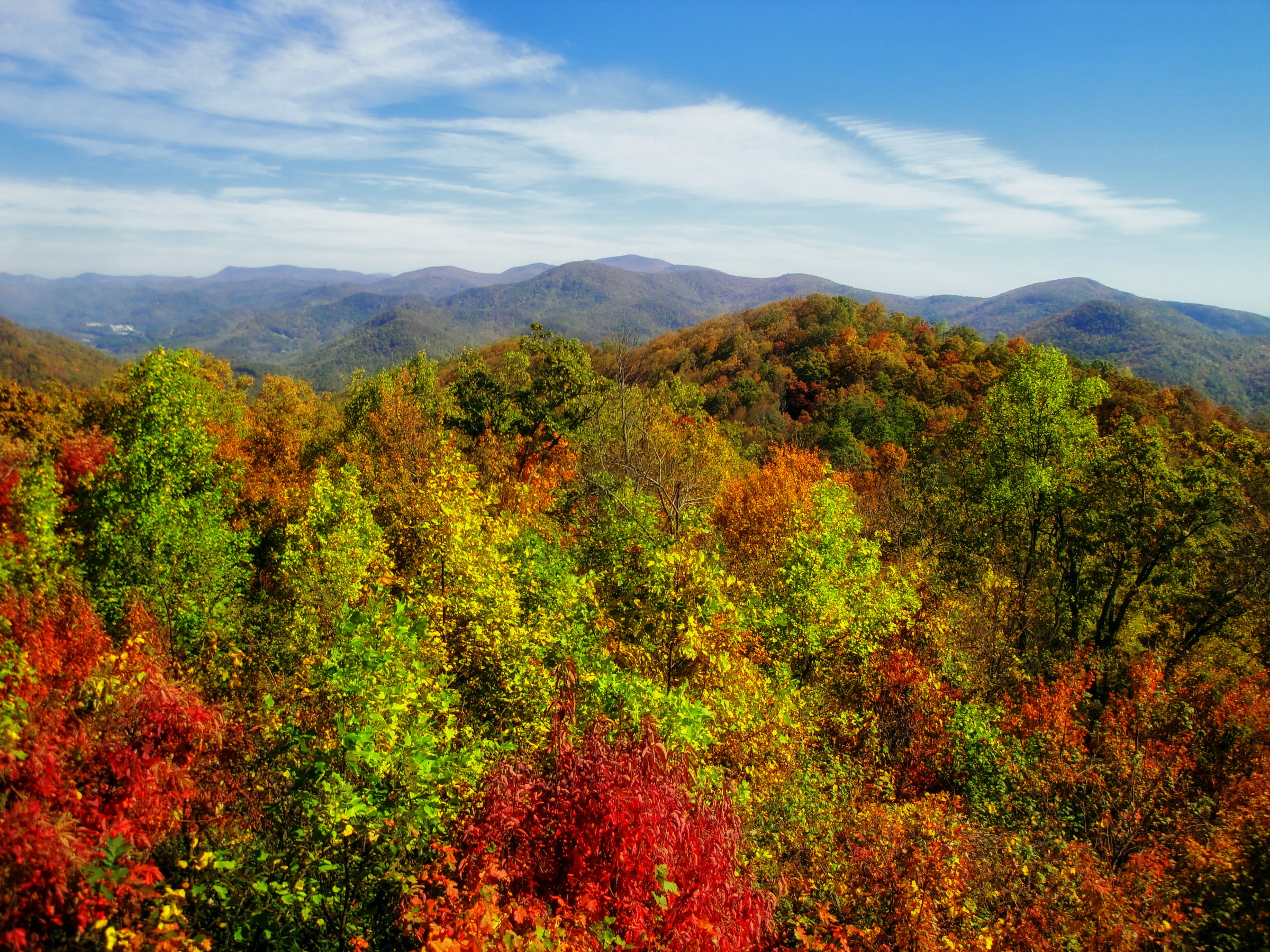 D’après les chiffres publiés par l’Agence environnementale européenne (La colonne vertébrale écologique de l’Europe : reconnaître la vraie valeur de nos montagnes, 2010), la forêt est la principale utilisation du sol avec 41 % de la surface des montagnes d’Europe (Europe au sens large). Pour 17 pays d’Europe, la forêt occupe plus de 50 % du territoire de montagne.
En plus d’être importante de par son emprise au sol, la forêt assure aussi de nombreuses fonctions dont certaines sont essentielles à l’activité humaine : production de bois et d’énergie, protection contre les risques naturels (avalanches, éboulements…), loisirs et paysages, conservation de la faune et de la flore, régulation de l’eau, stockage du carbone.
… et à mieux valoriser
Les conditions naturelles de pentes et climat rendent difficile l’exploitation des parcelles forestières de montagne. Par conséquent, des moyens sont à mettre en œuvre pour que les forêts de montagne bénéficient elles-aussi de l’essor des filières bois-construction et bois-énergie, en étant mieux exploitées et de manière durable.
 Nos actions
Le thème de la forêt de montagne a souvent été abordé par Euromontana au cours de ses activités. A partir de novembre 2010, il a fait l’objet d’un travail spécifique avec la préparation d’une étude cofinancée par le ministère français de l’Agriculture, de l’Alimentation, de la Pêche, de la Ruralité et de l’Aménagement du territoire.
Politique – représentation
Euromontana suit l’actualité européenne en matière de politique forestière et informe ses membres des principaux développements.
 Au niveau de l’Union européenne, le traité ne prévoit pas de politique forestière européenne. L’action de l’UE est avant tout une action de coordination stratégique entre les actions des Etats et entre les politiques européennes qui ont un impact sur la forêt (environnement, biodiversité, bioéconomie, développement rural, industrie…). La Commission a adopté une nouvelle stratégie pour la forêt et le secteur bois le 20 septembre 2013, qui remplace celle de 1998. La stratégie est ensuite déclinée en plan d’action à mettre en œuvre par les Etats membres. La politique de développement rural (FEADER) constitue 90% du financement européen mis à disposition des forestiers. Le Parlement européen suit également de près les développements de la politique forestière.
- Voir la stratégie forestière européenne adoptée en 2013
- voir les articles dans la section actualités thématiques
Etudes
Etude « La mobilisation du bois et l’organisation des filières en montagne – Exemples de bonnes pratiques européennes »
 Etude cofinancée par le ministère français de l’Agriculture, de l’Alimentation, de la Pêche, de la Ruralité et de l’Aménagement du territoire. Avril 2012
L’objectif du travail est d’identifier et d’analyser des pratiques positives et durables en matière de mobilisation du bois et d’organisation (formelle : organisation de producteur, syndicat, association, etc. ou informelle) des filières bois en montagne, de la production au produit fini, dans les pays d’Europe ayant des forêts de montagne avec un potentiel d’exploitation suffisant.
Etude: Innovation et économie circulaire dans la filière sylvicole de montagne : comment boucler la boucle ?
L’étude présente le concept de l’économie circulaire, et son application potentielle dans la sylviculture, en mettant l’accent sur la filière sylvicole de montagne, et l’économie circulaire au niveau de l’UE. Elle présente également une série de 12 bonnes pratiques en matière d’innovation et d’économie circulaire dans la sylviculture de montagne pour montrer comment les concepts peuvent être appliqués en pratique.
Evénements
- Atelier du 29 novembre 2016 intitulé « Innovation et économie circulaire dans la filière sylvicole de montagne : comment boucler la boucle ?« organisé par Euromontana en collaboration avec PINS, une agence de développement local croate basée à Skrad, et avec l’appui du député européen croate Jozo Radoš, de l’intergroupe RUMRA (Zones Rurales, de Montagnes et Isolées).
- Atelier sur la coopération régionale pour l’innovation forestière, organisé conjointement par Euromontana, ERIAFF, EFI, CEPF and EUSTAFOR le 20 Mai 2014 à Bruxelles. Voir ici l’information sur la conférence.
- Participation à la conférence « le futur des forêts de montagne », bureau de liaison de la région européenne Tyrol-Sud Tyrol-Trentino, Bruxelles – 02 décembre 2010. Voir la presentation d’Euromontana (en anglais) : « European mountain forests: ripping full benefit of a precious asset ».

En savoir plus