



Développement des associations de montagne des Balkans
Le « Projet Balkan » désigne la collaboration entre la Coopération Suisse au Développement (CSD), le Groupement suisse pour les régions de montagne (SAB), Euromontana et plusieurs organisations non-gouvernementales (ONG) de l’Europe de Sud-Est.
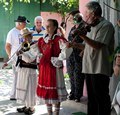 Face aux problèmes alarmants des populations montagnardes des Balkans (la pauvreté, la migration et ses conséquences, le vieillissement de la population, etc.), Euromontana a décidé de soutenir l’organisation des associations civiles et socio-professionnelles dans ces zones à risque. Les organisations ont dû être identifiées ou parfois aidées à s’organiser, leurs employés ont été formés et on leur a transmis des savoir-faire pour résoudre les problèmes locaux, élaborer des projets et militer pour la prise en compte des questions régionales dans la réalisation des politiques nationales.
Euromontana a réalisé ce projet en collaboration et avec des financements des partenaires (très souvent membres d’Euromontana) de l’Europe occidentale (Suisse, France, Espagne, Royaume-Uni, etc).
Réalisation:
Le projet a été réalisé en 3 phases:
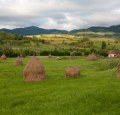 2000-2002: Identification des organisations partenaires, la définition des problèmes et des objectifs à atteindre en termes de développement de leur structure, la formation professionnelle des membres
- 2002-2003 : Développement de 7 organisations nationales des montagnes du Sud-Est de l’Europe (Makmontana en Macédoine, Bulmontana en Bulgarie, Romontana en Roumanie, Albmontagna en Albanie, Promont en Bosnie-Herzégovine, Yumontana en Serbie et Monténégro, Cromontana en Croatie)
- 2004-2007 : Consolidation des 3 organisations (Romontana, Makmontana et Bulmontana) identifiées comme étant les trois ONG de montagne les plus développées dans cette partie de l’Europe, augmentation du nombre des membres dans leurs pays et du nombre d’actions concrètes développées.
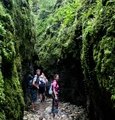 Les outils proposés dans la collaboration ont permis d’atteindre l’objectif de durabilité des organisations et de réalisation des échanges d’expériences avec d’autres partenaires. Des partenariats et des formations sur des thèmes spécifiques d’intérêt ont été organisés (comme le pastoralisme, la création et la gestion des agences nationales pour le tourisme rural, la mise en œuvre des politique de l’UE, le développement et la gestion de projets multinationaux, etc).
Le projet a duré 6 ans, mais ses réalisations sont visibles aujourd’hui dans l’organisation, le fonctionnement et l’intégration des associations de montagne et des politiques régionales dans les politiques nationaux. Aujourd’hui par exemple, Makmontana est membre du bureau exécutif d’Euromontana, Romontana est très active dans les activités d’Euromontana et Bulmontana contribue dans des diverses activités ou projets en plus de leurs activités nationales.
Dans cette collaboration, non seulement les organisations de montagne de l’Europe de Sud-Est ont été aidés à s’organiser et à fonctionner, mais la collaboration avec les organisations de montagne des autres pays européens a été ouverte. Ce projet a ouvert la voie à d’autres partenariats des acteurs de la montagne financés dans le cadre des outils financiers de l’UE.
Romontana www.romontana.org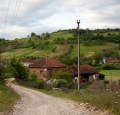
Makmontana www.makmontana.org


