



Development associations Balkan Mountain
“Project Balkan” means collaboration between the Swiss Development Cooperation (SSC), the Swiss Group for Mountain Regions (SAB), Euromontana and several non-governmental organisations (NGOs) in South East Europe.
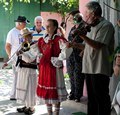 Faced with the alarming problems of mountain populations of the Balkans (poverty, migration and its consequences, the aging of the population, etc.). Euromontana decided to support the organisation of civil and socio-professional associations in these areas at risk. Organisations have been identified or sometimes helped them to organise their employees have been trained and sent their know-how to solve local problems, develop projects and advocate for the inclusion of regional issues in achieving national policies.
Euromontana realised this project in collaboration with funding partners (often Euromontana members) Western Europe (Switzerland, France, Spain, UK, etc.).
Directed by:
The project was carried out in 3 phases:
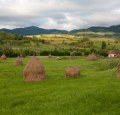 2000-2002: Identification of partner organisations, the definition of problems and objectives in terms of development of their structure, training members
- 2002-2003: Development of seven national organisations in the mountains of South-Eastern Europe (MAKMONTANA Macedonia, Bulmontana Bulgaria, Romania Romontana, Albmontagna in Albania, Bosnia and Herzegovina Promont, Yumontana in Serbia and Montenegro, in Cromontana Croatia)
- 2004-2007: Consolidation of 3 organisations (Romontana, MAKMONTANA and Bulmontana) identified as the three NGOs mountain more developed in this part of Europe, increasing the number of members in their countries and the number of concrete actions developed .
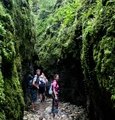 The tools offered in collaboration helped achieve the goal of sustainability organizations and implementation of exchange of experiences with other partners. Partnerships and training on specific topics of interest were organized (such as pastoralism, the creation and management of national agencies for rural tourism, the implementation of EU policy, development and management multinational projects, etc).
The project lasted six years, but his achievements are visible today in the organization, operation and integration of mountain associations and regional policies in national policies. Today, for example, MAKMONTANA is a member of the Executive Board of Euromontana, Romontana is very active in the activities of Euromontana and Bulmontana contributes in various activities and projects in addition to their national activities.
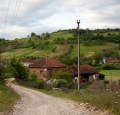 In this collaboration, not only organisations mountain in South East Europe were helped to organise and run, but collaboration with organisations mountain of other European countries was opened. This project has paved the way for other partnerships mountain actors funded through financial tools of the EU.
Romontana www.romontana.org
Makmontana www.makmontana.org


