Accessing mountain areas…
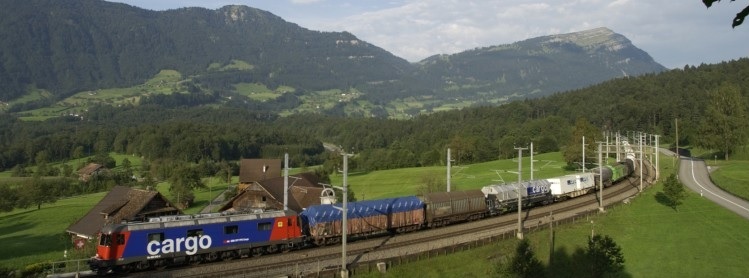
… is often connected with difficulties of different kinds such as:
 The absence or insufficient quality of local and regional infrastructures
- Public transport provision is often insufficient and not adapted to the specific needs of the mountain population
- As an important toutistic destination, mountain areas suffer from individual transport of tourists
- Transport, being a large CO2 producer, contributes to climate change
- It is necessary to protect the environment from negative impacts caused by transport in mountain areas
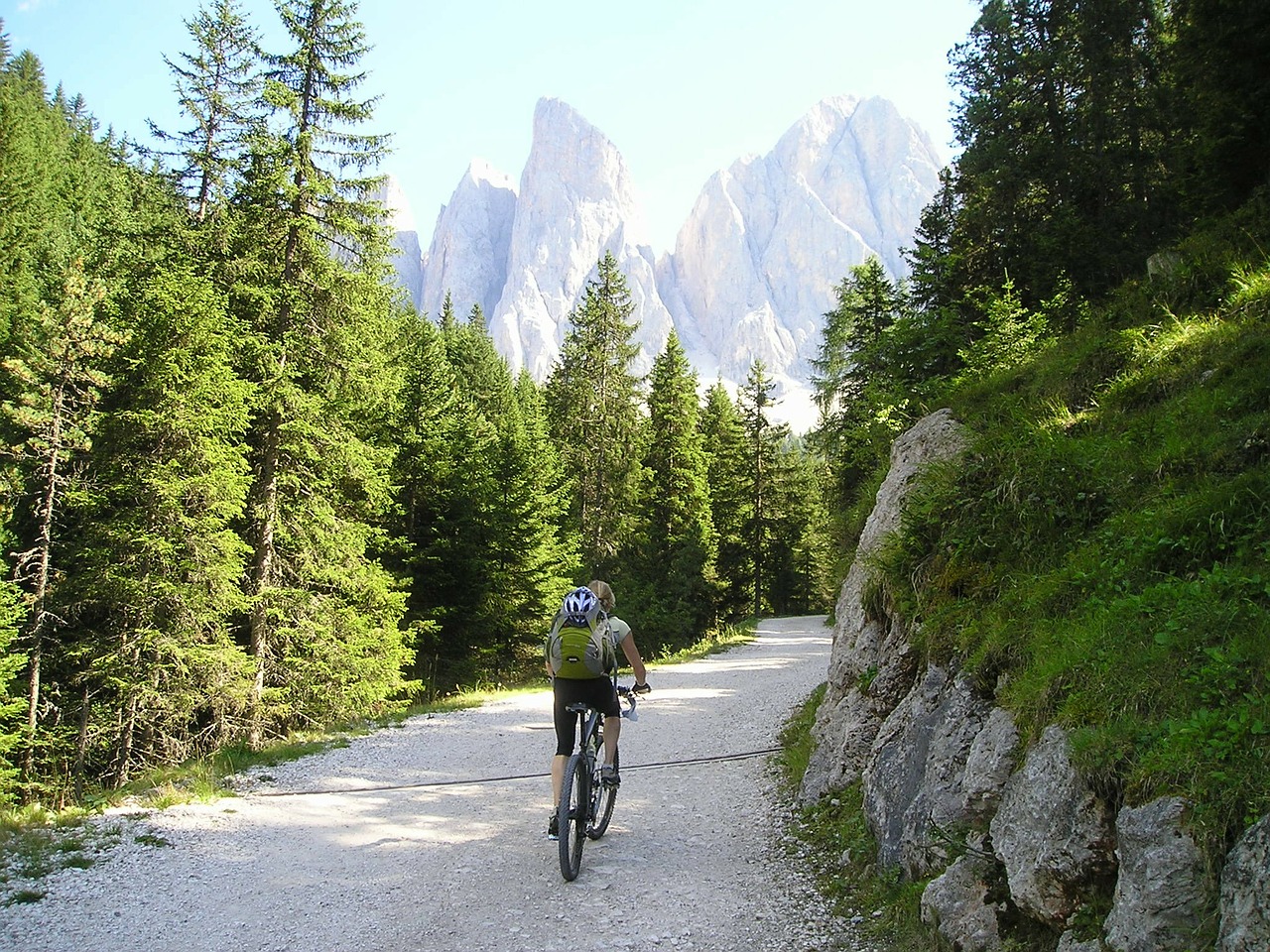
Consequently sustainable solutions need to be found in order to guarantee that the mountain population can benefit from a transport system that is simultaneously effective, of high quality and has reduced negative impacts on the environment. These solutions can already be found in European mountain areas and it is necessary to exchange experiences aiming to better implement these good practices in other mountain regions.
Our actions
 Euromontana startet to put a stronger focus on the question of mobility in 2010 when the preparations of the position paper on services of general interest were launched. This position paper will be soon available on the thematic page on services of general interest.
In December 2010, Euromontana participated in a scientific workshop on mobility and transport in mountain areas (SWOMM – Scientific workshop on mountain mobility and transport) to highlight the importance of the development of sustainable solutions in order to protect the environment.
In April 2014, Euromontana has participated to a public hearing organised by the Committee of the Regions on “Mobility in geographically and demographically challenged regions” to show difficulties but also good practices which exist in mountain areas.
In 2020, Euromontana contributed to the public consultation to shape the new EU Strategy for Sustainable and Smart Mobility to reaffirm the need to develop sustainable transport alternatives in rural areas and to consider the specificities of mountainous, remote and sparsely populated regions. See our response. Euromontana also made recommendations to make the 2021 European Year of Rail fully efficient by addressing the challenges of rail transports in mountain areas. See our response.
Projets
Euromontana is partner in a European INTERREG IVC project MOG “Move on Green“, which has as an objective to implement sustainable, “green” solutions as regards the transport sector in mountain and rural areas.
Events
- Final conference of Move on Green
15 September 2014, Brussels, Belgium
The digital divide …
… can often be found in mountain areas where access to broadband is insufficient or even not existant at all. The challenge is therefore to implement innovative solutions that allow the mountain population and businesses to benefit from the advantages linked to good ICT infrastructure to the same degree as those living in lowland or urban areas.
Our actions
 Euromontana started to put a stronger focus on the question of information and communication technologies (ICTs) and the digital divide in 2011, when the collaboration with the European digital forum for ICT in the Mountains (EMICT-Forum) was launched.
At the same time Euromontana started to build relationships with the Interreg IV B project CyberSUDOE. The project aims at improving the competitiveness of SMEs through the use of ICTs. More information and a guide of good practices are available on the webpage dedicated to this project.
In 2014, Euromontana has officially signed the Manifesto for High Speed Broadband in Rural areas to support high speed Internet in all rural areas.
Projects
Euromontana is partner in a European INTERREG IVC project , which started in 2012:
- DANTE “Digital agenda for new tourism approach in European rural and mountain areas”, which aims at exchanging good practices on the use of ICT for development of tourism in our areas
Events
- Final conference of DANTE
25 June 2014, Brussels, Belgium - Final conference of the project CyberSUDOE
16th November 2011, Marseille, France - EMICT – European Mountain ICT Forum
9th – 10th November 2011, Seynod, France

Learn More