Basic pillars for a dynamic economy
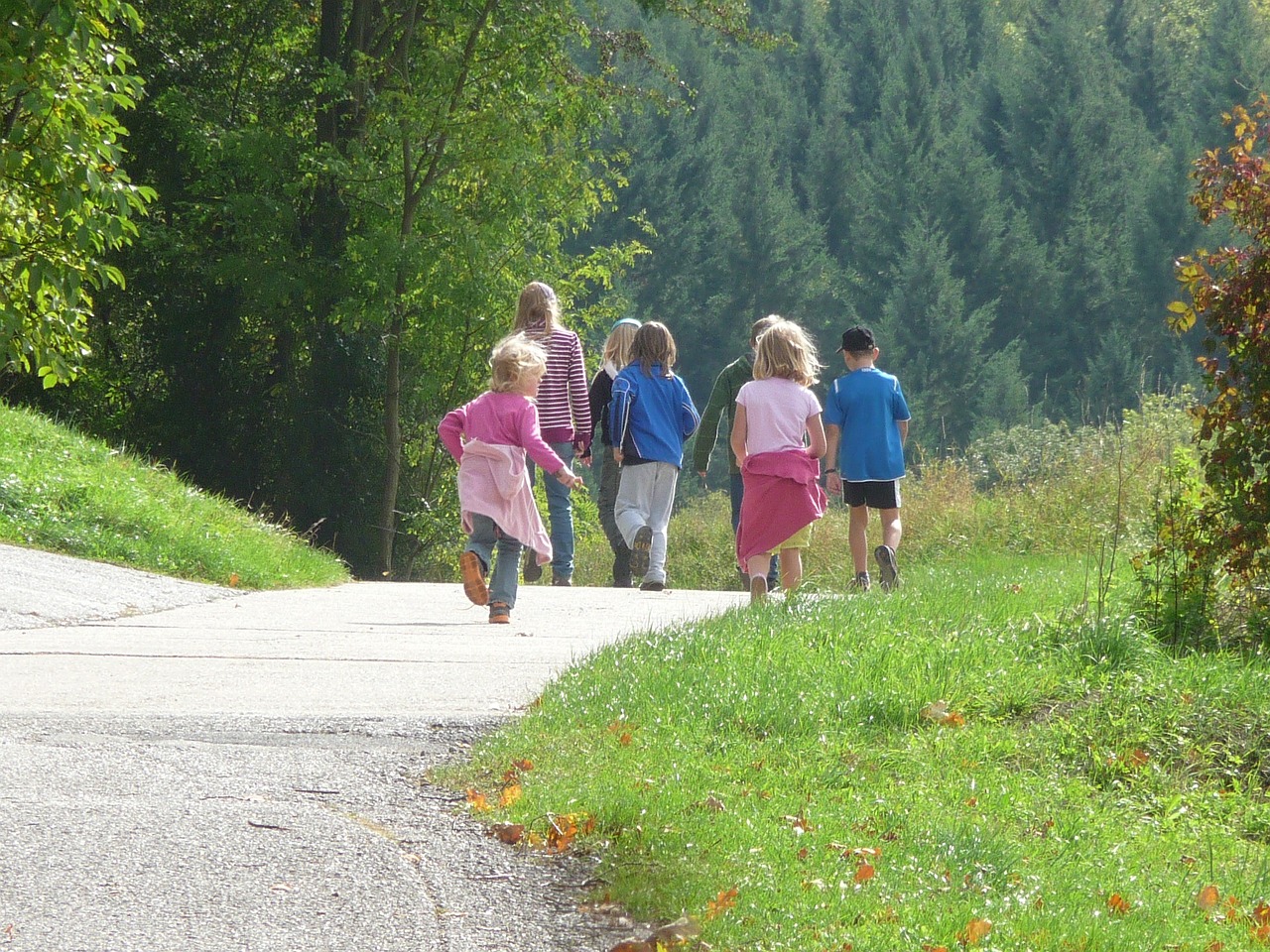 A competitive provision of education and training is a key element in enhancing the attractiveness and economic diversification of a region and in the creation of a dynamic economy. It is therefore a key sector for mountain areas.
At the European level, all EU institutions and players agree that the future European economy will be based on knowledge. Thus, more people will need to have specific skills in order to fit easily into the labour market. The European is specifically stressing the need for improvement of the educational systems’ performance and the importance of enhancing the attractiveness of higher education systems for students.
In terms of funding, with a budget of € 14.7 billion, Erasmus + is the new programme for Education, Training and Sport (2014-2020) that brings together seven former existing EU programmes in the fields of education, training and youth. You will find in the documents and links section (for members only) the funding opportunities for training and youth.
An offer adapted to the needs of mountain people and territories
The supply of education and training must be consistent with current and future needs of the local economy. Thus, it must provide the skills required by the regional labour market.
In addition to general skills required at European level in the field of information and communication technologies, renewable energy, engineering, etc. mountain regions need people trained for specific jobs in the tourism and hospitality sector, food processing, local industry and other different seasonal sectors. Special attention must also be given to gender issues.
Two European instruments offer new possibilities to specifically address the difficult access to job in remote areas: The Youth Employment Initiative and Youth Guarantee.
They represent interesting opportunities for mountain areas, where the percentage of youth unemployment can be high.
Our actions
To ensure the provision of a suitable, high-quality offer of education and training Euromontana chose to work with its members on this theme. Through our activities we ask for supply of education and training that is both diverse and focused on key needs and the context of mountain regions, with an integrated approach.
Policy – representation
 Follow up of activities at European level: Euromontana closely monitors and informs its members about European news on training and education, European policy developments, etc.
Contribution to the EU legislative process: Euromontana contributes with feedback to legislative reports of the European institutions (European Commission, European Parliament, Committee of Regions, Economic and Social Committee).
- See the contribution to the report of the Committee of Regions (2011)
Events
- 7 November 2013 | Annual conference of Euromontana: “How to support mountain innovative entrepreneurship?”
- November 2010 | Organisation of a dissemination seminar with good practices on education and training in Torino, Italy with the PADIMA project | See the seminar’s presentations and report here
- September 2010 | Workshop “Education and training possibilities to stimulate development in mountain areas” within the VIIth European Mountain Convention, in Lillehammer, Norway (page 19-20) | See the presentations here
Projects
- SILVER TOURISM (2015-2017)
 Euromontana is a partner of the Erasmus+ project “SILVER TOURISM” coordinated by the Cámara de Comercio de Badajoz in Spain. This project started in October 2015 and will end in October 2017.
The Silver Tourism project aims to provide the necessary training for the tourism sector to take advantage of the opportunities created by the demographic trend, developing products and services tailored to the real needs of elderly people, generating an Expert Profile in Silver Tourism. The Silver Tourism Expert will be trained via a Massive Open On-line Course (MOOC), launched in July 2017, under a multidisciplinary approach, providing a comprehensive view that enables the development of competitive tourism products, placing the senior public at the centre of the process, and providing services that generate successful experiences for them.
 PADIMA – Policies against depopulation in mountain areas (2010 – 2012)
PADIMA is an INTERREG IV C project with 8 partners from 5 European countries, focusing on the collection and exchange of good practices within the sector of education and training, as well as on identifying the needs of some case study areas as regards education and training. To know more about PADIMA click here.

Learn more :