



Our vision of mountain areas
Our mountains are territories with a future and opportunities for Europe
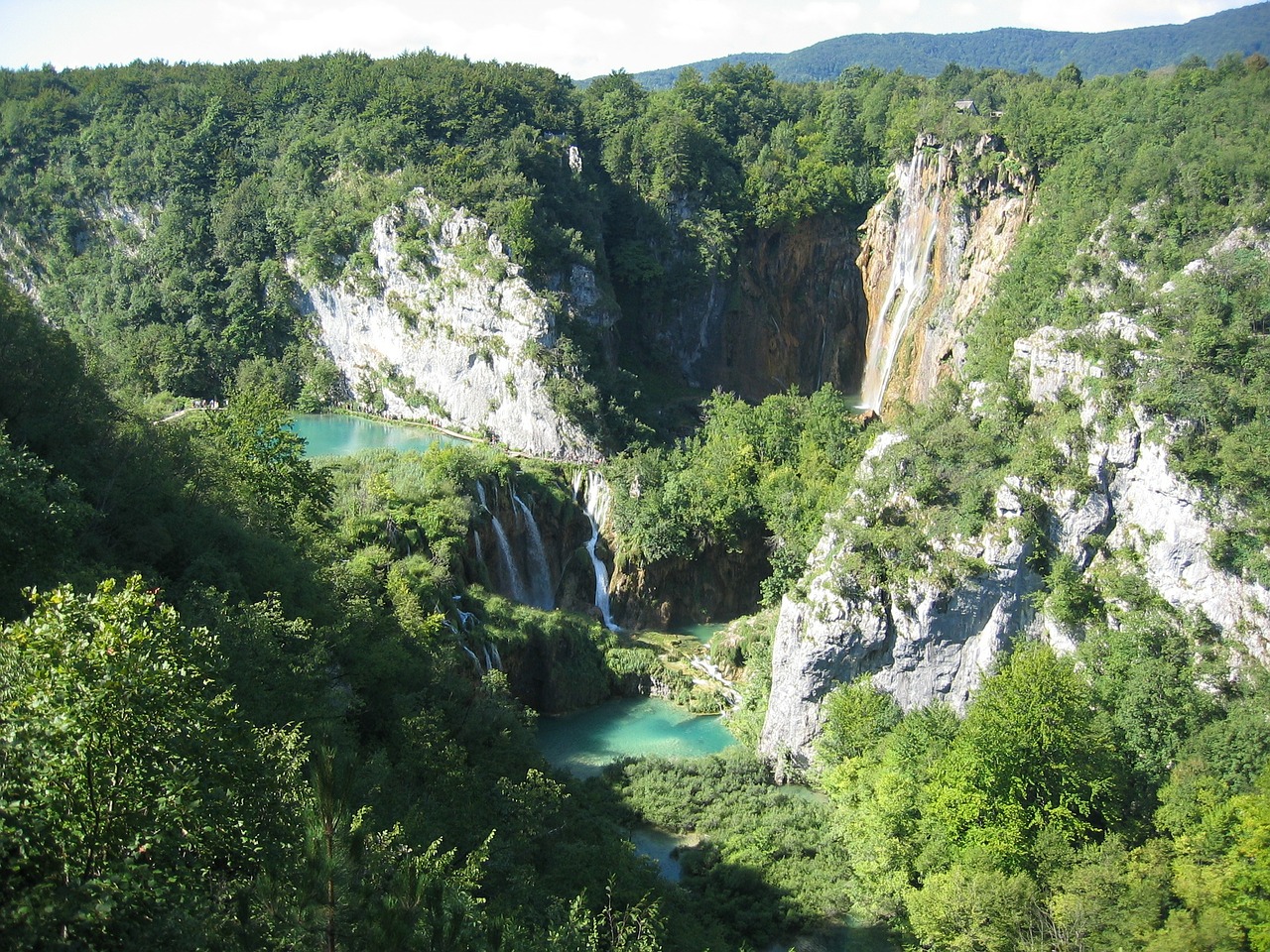 We assert that mountains are distinctive areas of Europe, because of their altitude, their slopes, their population density, their challenges and their opportunities, and consequently should be addressed specifically.
We call for public and private investment in these areas. The return on investment might indeed be longer in these areas than in urban areas or lowlands, but the investment itself will undeniably be more sustainable.
We are proud of our strengths
Mountain territories have numerous assets on which they can build their development :
-
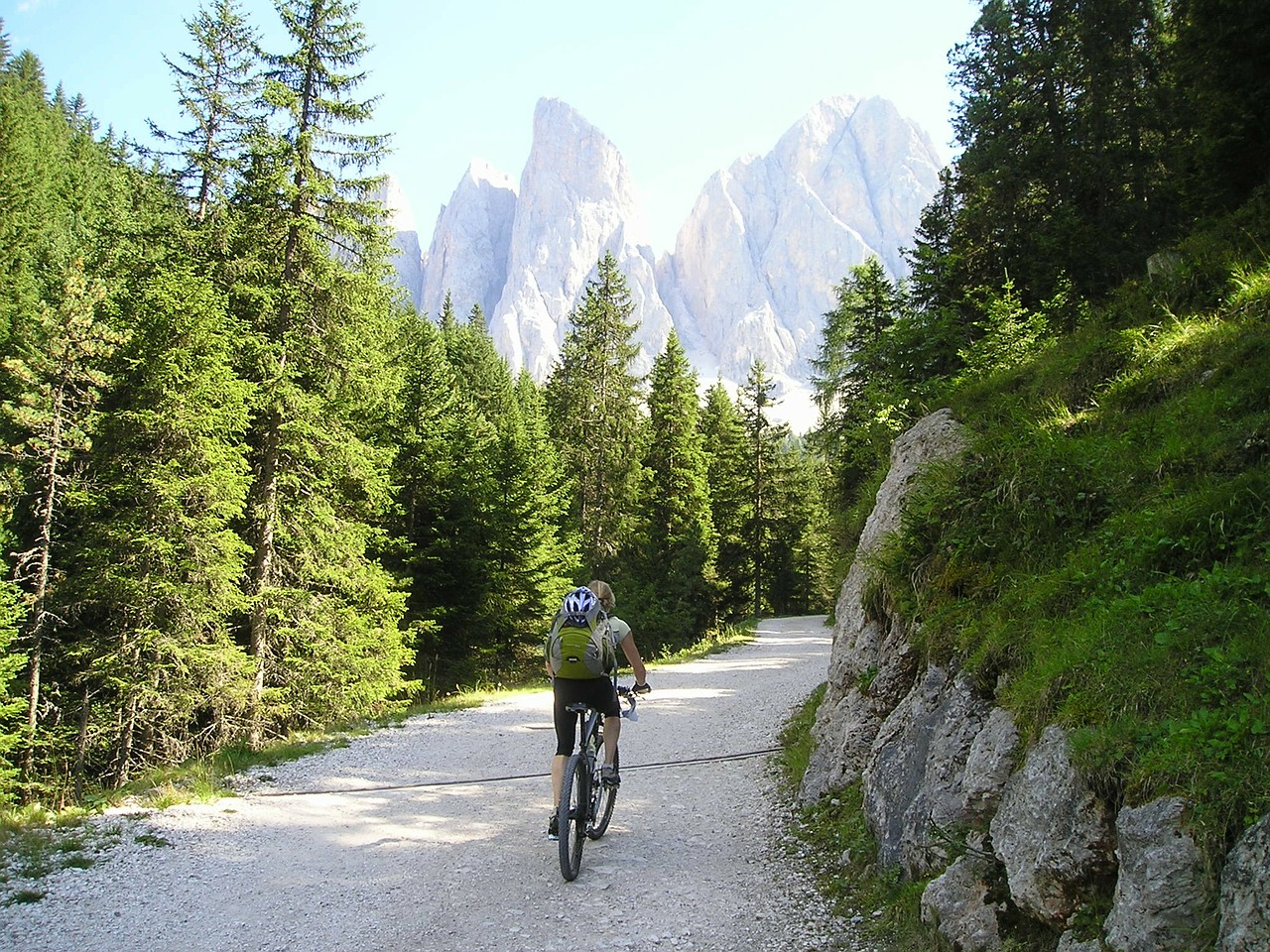
 The quality of life of mountain populations :
an intense community life, a privileged living environment, very rich culture, traditions and heritage ; - The positive image of mountain areas ;
- Rare, preserved and renewable resources (air, forest, water) ;
- The production of goods and services : tourism, handcrafts, agriculture, industry ;
- Efficient factors of production : human capital, natural resources capital (space, water, air, timber); business partnerships (clusters…) ;
- Conditions for sustainable production : respect for the environment, preserved biodiversity, landscape management, innovative management of natural resources ;
- Modern and often dynamic governance; natural ‘handicaps’ have always been a source of imagination, and territorial innovation is more developed in the mountains than elsewhere; hence these innovations have often inspired those living in other areas.
Weaknesses to overcome
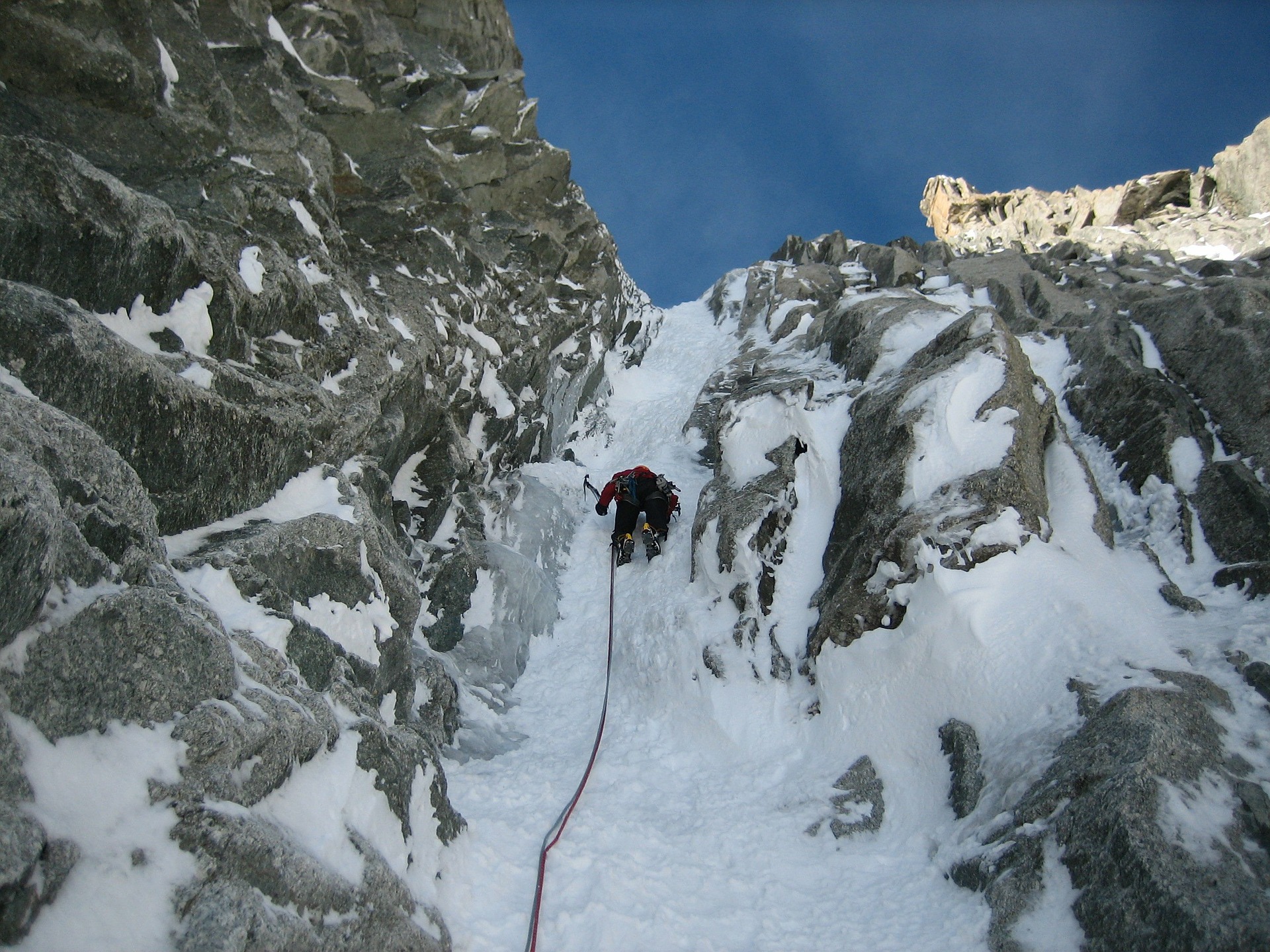 Mountain people must however confront specific and heavy constraints, that they must turn into opportunities to meet the challenge of sustainable development :
- Problems of remoteness and accessibility : lack of services, lack of knowledge and skills, sometimes difficult relationships between residents and non-residents; infrastructures that, in some cases, remain to be developed ;
- Problems related to competition in sustaining both economic activities and the environment ;
- Sparseness of businesses, size of businesses, and difficulty in passing them on to younger generations;
- Sparseness of population; difficulty of reaching the critical mass necessary to provide services of general interest ; low attractiveness of seasonal jobs (low and precarious income) ;
- Constraints on agricultural activity due to soils and climate ; difficult access to land ;
- Mountain specificities are not sufficiently integrated in regional, national and European policies.
Our approach
Our action respects some fundamental principles
To always be consistent with the concept of sustainable development:
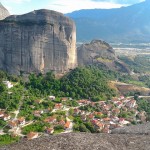 Euromontana’s proposals will always seek to put forward the three pillars of sustainable development:
- environmental,
- social,
- economic.
To promote quality :
 In order to bring added value, our mountains must play the card of quality : quality of life but also quality of products and projects. Euromontana’s proposals will systematically ensure that quality is promoted, especially through marks of quality.
To operate as a network :
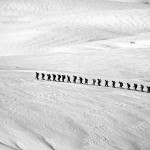 Each project will be carried out by several organizations with a leader responsible for implementation and reporting to the Board of Directors. Communities of shared interests will be created to better analyse problems and to design solutions, building on the collective intelligence and solidarity among mountain populations.
To use new technological tools :
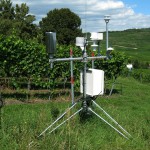 The physical distance between Euromontana’s members is a constraint to our efficiency. Hence we will use new technologies to communicate and work on a day-to-day basis: this will be our first contribution to minimizing energy expenditures. However, human contacts will never be replaced by technologies and each member organization will commit to participating in at least one event every year (seminar, colloquium, general assembly, conference).


