Mountain forests ensure a multiplicity of functions
Forests in mountain areas cannot be ignored…
 Forests are the most common land cover of mountains in Europe (in the wide sense), covering 41% of the total area, according to the European Environmental Agency (Europe’s ecological backbone: recognising the true value of our mountains, 2010). In 17 European countries, forests occupy more than 50% of the mountain area.
Mountain forests provide multiple functions, essential for human activities. These include not only the production of wood (particularly valuable for construction and energy) but also the provision of ecosystem services, such as protection against natural hazards, conservation of fauna and flora, landscapes, regulation of water supplies, and carbon storage.
… and should be better valorised
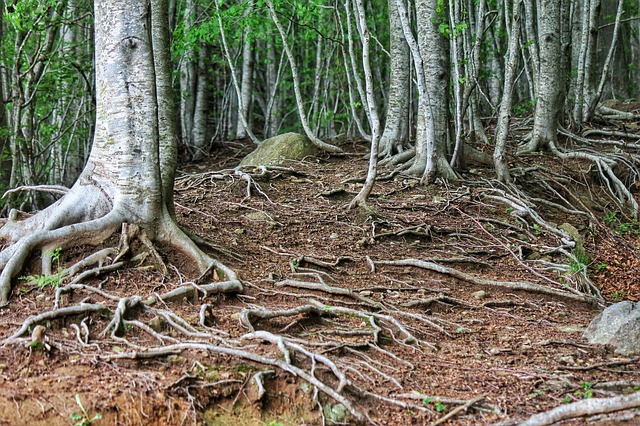 The specific natural conditions of mountain forests (slope, climate, soils) make their exploitation difficult. Equally, the critical ecosystem services provided by forests must be taken into consideration. Consequently, adapted solutions have to be developed and implemented to ensure that enterprises working in mountain forests participate in, and benefit from, the development of the supply chains (particularly relating to the construction and energy sectors) in a sustainable way.
Our actions
The theme of mountain forest has often been dealt with by Euromontana throughout its activities. From November 2010, it became a specific study topic, when the preparation of a study financed by the French Ministry of Agriculture, Food, Fishery, Rural affairs and Land management started.
Policy – representation
 Euromontana follows closely and informs its members about the European policy regarding forestry.
At the European Union level, the treaty does not provide a European forest policy. The EU action is mainly a strategic coordination action between the actions of the Members States and the EU policies that impact on the forest (environment, biodiversity, bio-economy, rural development, industry …). The Commission has adopted a new strategy for the forest and wood sector the 20th of September 2013, replacing the 1998 strategy. The new strategy is turned down into action plans to be implemented by each Members State. The European Funds for Agriculture and Rural Development (EAFRD) constitutes 90% of EU funding available for foresters. The European Parliament also monitors the development in forest policy.
- See the new EU Forest Strategy adopted in 2013
- See article in the thematic news section (for members only)
Studies
 Study “The utilisation of mountain wood and the organisation of mountain wood industries”
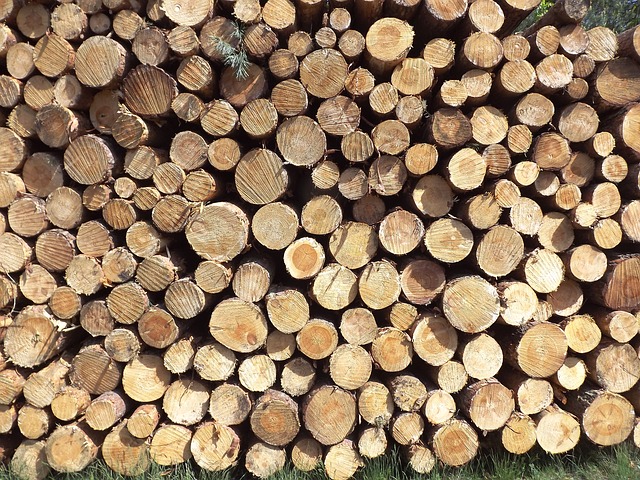
Study cofinanced by the French ministry of Agriculture, Food, Fisheries, Rural affairs and Spatial planning. April 2012
The objective of the work is to identify andanalyse positive and sustainable practices regarding the extraction and use of wood and the organisation (formal, e.g.,organisation of wood owner, union, association, etc.; or informal) of wood supply chains in mountain areas (from production to end products) , in European countries with mountain forests with sufficient harvesting potential.
Study “Innovation and Circular Economy in the Mountain Forest Supply Chain: How to Close the Loop?”
The study, finalised in March 2017, presents the concept of the circular economy, its potential application in forestry, with a focus on the mountain forest supply chain, and the circular economy at the EU level. It also presents a series of 12 good practices in innovation and circular economy in mountain forestry to show how the concepts may be applied in practice.
Events
- Euromontana workshop on “Innovation and Circular Economy in the Mountain Forest Supply Chain: How to Close the Loop?” organized in collaboration with member organization PINS, a Croatian local development agency based in Skrad, Croatia on 29th November 2016, and with the support of Croatian MEP, Jozo Radoš, from the RUMRA (Rural, Mountainous and Remote) intergroup.
- “Inform-Prioritize-Collaborate: Cooperation of Regions on Innovation in Forest Management, Use of Wood and Forest-related Service”a conference co-organised by Euromontana, EFI, ERIAFF, CEPF and EUSTAFOR the 20th May 2014 in Brussels. Check the Euromontana article of the event and the webpage with the documents.
- Participation in the conference “The future of the mountain forests”, Liaison Office of the European Region Tyrol-South Tyrol-Trentino, Brussels – 02 December 2010. See the presentation: “European mountain forests: ripping full benefit of a precious asset”.