



Date / Heure
Date(s) - 20 Nov 2019
9 h 30 min - 13 h 00 min
Emplacement
Brussels - Belgium
Rethinking territorial balances between urban and rural areas in the European Mountains: how can innovation support win-win solutions?
According to the OECD, territorial relationships have deeply changed in recent decades. Improvements in communication technology, increasing movements of peoples and goods, and changes in land use have reshaped the relationships between urban and rural areas. This is also true for mountain areas, where large metropoles like Milano have recently been integrated in new development strategies – such as the macro-regional strategy for the Alps.
Urban and rural areas are interconnected through different functions (demographic, economic, delivery of public services, provision of ecosystem services…). To encourage an integrated functional approach based not only on win-win partnerships but also on the recognition of the added value brought by rural areas, mountain territories should be recognised not only for their attractive landscapes and good quality of life, but also for their expertise, economic contribution, and capacity for innovation.
Technological and social innovation is a key component in mountain areas. It can help increase the visibility of these territories and valorise exchanges between urban and rural areas in mountains while recognising their differences.
During this conference, Euromontana gave the floor to representatives of the European Commission, researchers, representatives of regions and practitioners. Speakers explored how innovation can help develop win-win solutions between urban and rural areas in the mountains. The event was also an opportunity to investigate on the possibilities to support this vision within the framework of the new Cohesion Policy.
Presentations
The issue of innovation as a tool to rebalance rural-urban linkages were addressed within two different sessions gathering representatives from European institutions and from regional authorities as well as stakeholders from the innovation and development sectors in mountain areas. For more details, please consult the agenda.
- What is the role of social innovation in mountain areas in the framework of global urbanisation? Professor Manfred Perlik, Geographer, Centre for Development and Environment at the University of Bern
- Adapting educational and research activities to the needs of mountain communities: how is the University of Milano (UNIMONT) taking up this challenge? Prof. Anna Giorgi, Director of UNIMONT – University of Milan
- How can the development of quadruple helix policies increase cooperation in rural innovation systems? The example of the P-IRIS project. Danijel Bertovic, Director of PINS
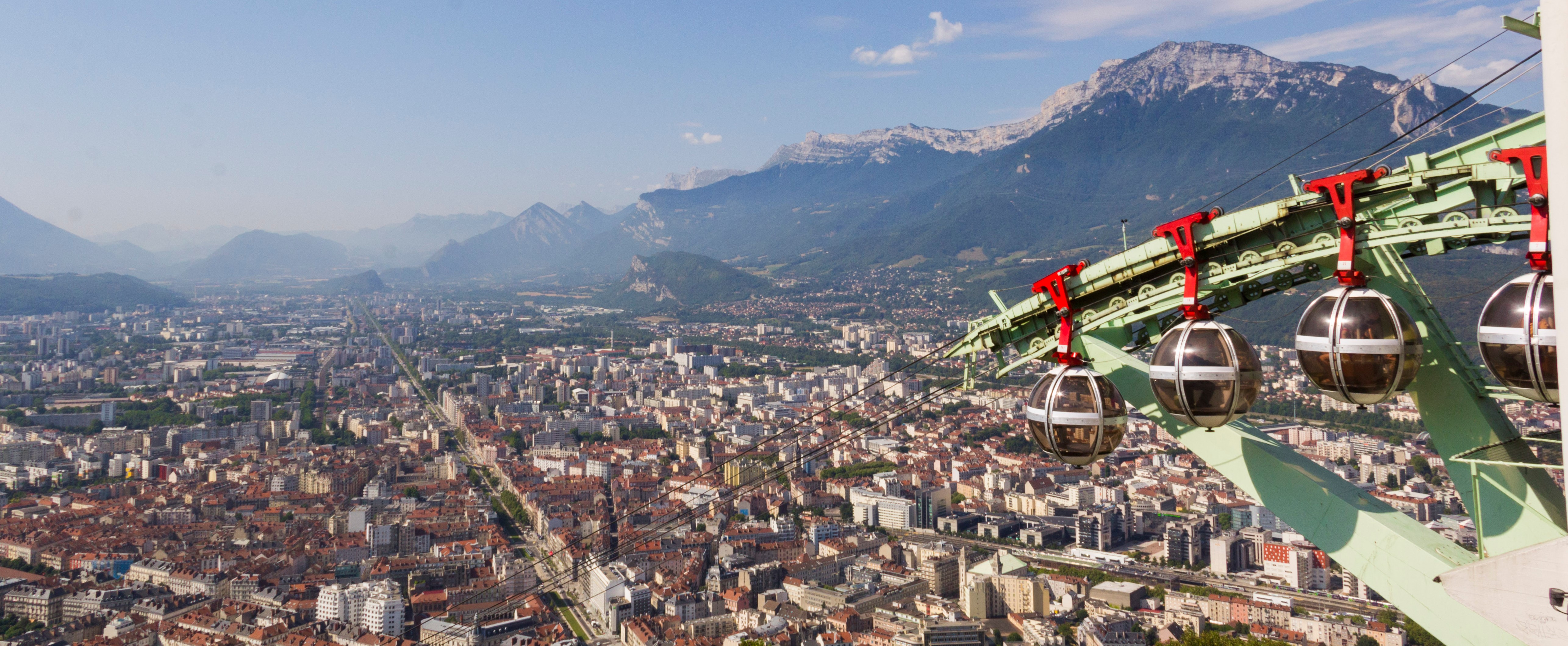
- How can a large metropole benefit from its specific regional socio-economic ecosystem based on tourism and mountain sports to develop its territory? The example of Grenoble – Alpes Metropole, Malek Bouhaouala, Lecturer at the University Grenoble Alpes
- Key insights from ESPON BRIDGES, Erik Gløersen, Director, Spatial Foresight France and Coordinator of the ESPON BRIDGES project
Proceedings
The proceedings of the conference including a summary of each speaker’s presentation are available here.
Pictures
Pictures of the conference are available here.


