



Date / Heure
Date(s) - 12 Oct 2021
14 h 00 min - 16 h 45 min
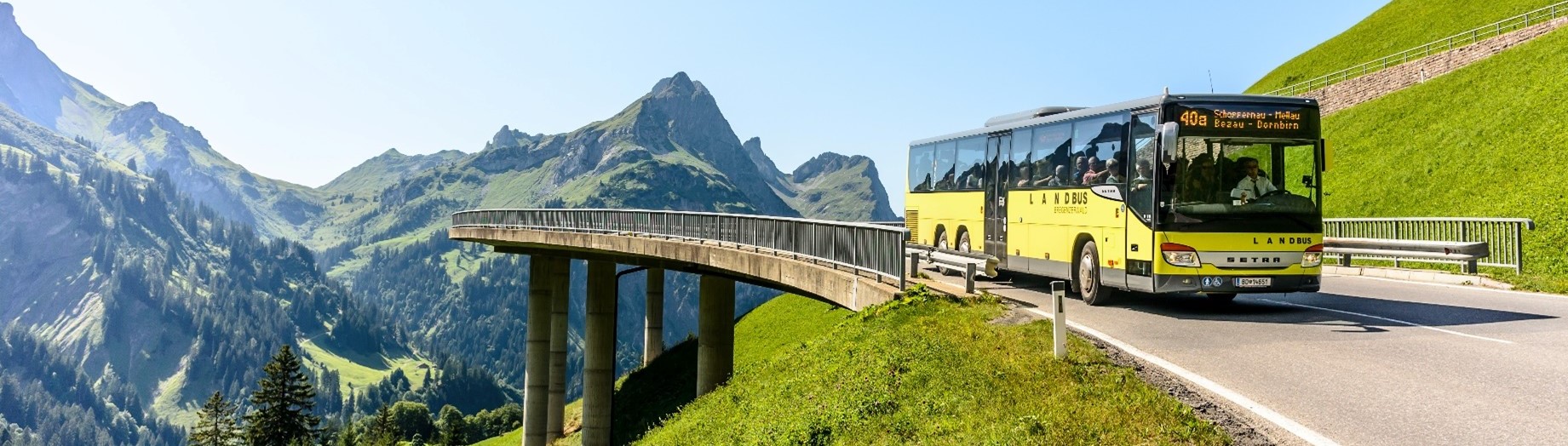
Mobility plays an important role in the attractiveness of a region. In many rural and mountain areas, there is a persisting traditional car dependency, and the absence of adequate collective transport solutions imposes social and territorial exclusion of some segments of rural inhabitants. No matter how much effort is spent on education, promotion of tourism, development of new economic initiatives, etc.: accessibility remains a key to success for development initiatives and the lack of good accessibility affects any development strategy implemented in rural territories.
Mountain areas present specific challenges such as the importance of distances to cover while the number of inhabitants can be low, sparsely populated areas with several villages of small towns (like in Spain or Romania) reducing even more the economic viability of public transport lines, a high number of elderly people, sometimes a high poverty rate and a relative remoteness to the main airports /railway /road nodes. Mountain areas should also face specific geographic conditions with slopes, altitude and protected areas. Roads and railways are expensive and difficult to build up steep mountain valleys.
Taking into account these specific constraints, how can daily mobility of mountain inhabitants be improved? Are the traditional solutions used in urban areas adapted for the specific needs of mountain inhabitants?
Presentation and documents
You can refer to:
- The conference agenda
- Dr Patrick Oliva’s presentation about the methodology for territorial mobility transformation
- Joshua Salsby’s presentation about the European Commission’s Strategy for greener, smarter and affordable mobility in Europe
- Andrea Lorenzini’s presentation on the recommendations of the SMARTA project
- Laurence Minne’s presentation on the hydrogen initiative “Zero Emission Valley” in Auvergne Rhone Alpes region
- Matthieu Jacquot’s presentation about the daily hitchhiking system RezoPouce
- The video about La Exclusiva, a reversed mobility service delivering basic goods to older adults in the mountainous in the province of Soria
- Elena di Bella’s presentation on how MobiLab can create a tailored made mobility scheme in the Metropolitana di Torino
- The event report


