
• fr
  • en

Good practices of rural sustainable mobility presented during SMARTA workshop

Started in May 2018, SMARTA  – Sustainable shared mobility interconnected with public transport in European rural areas (developing the concept of ‘smart rural transport areas’) – is a two-year European-funded project which aims to understand the current relevance and future potential of on-demand and shared mobility services integrated with public transport in the European rural areas.

On January 30 & 31st, 2019, the SMARTA project held a stakeholders’ workshop in Brussels, to which Euromontana participated, and which was the opportunity to exchange good practices. These good practices ranged across a wide variety of themes, from intermodality to on-demand services, without forgetting e-bikes and other electric transportation modes. These good practices show how integrated, inclusive, accessible, affordable and flexible can exist and how they can be transferred.
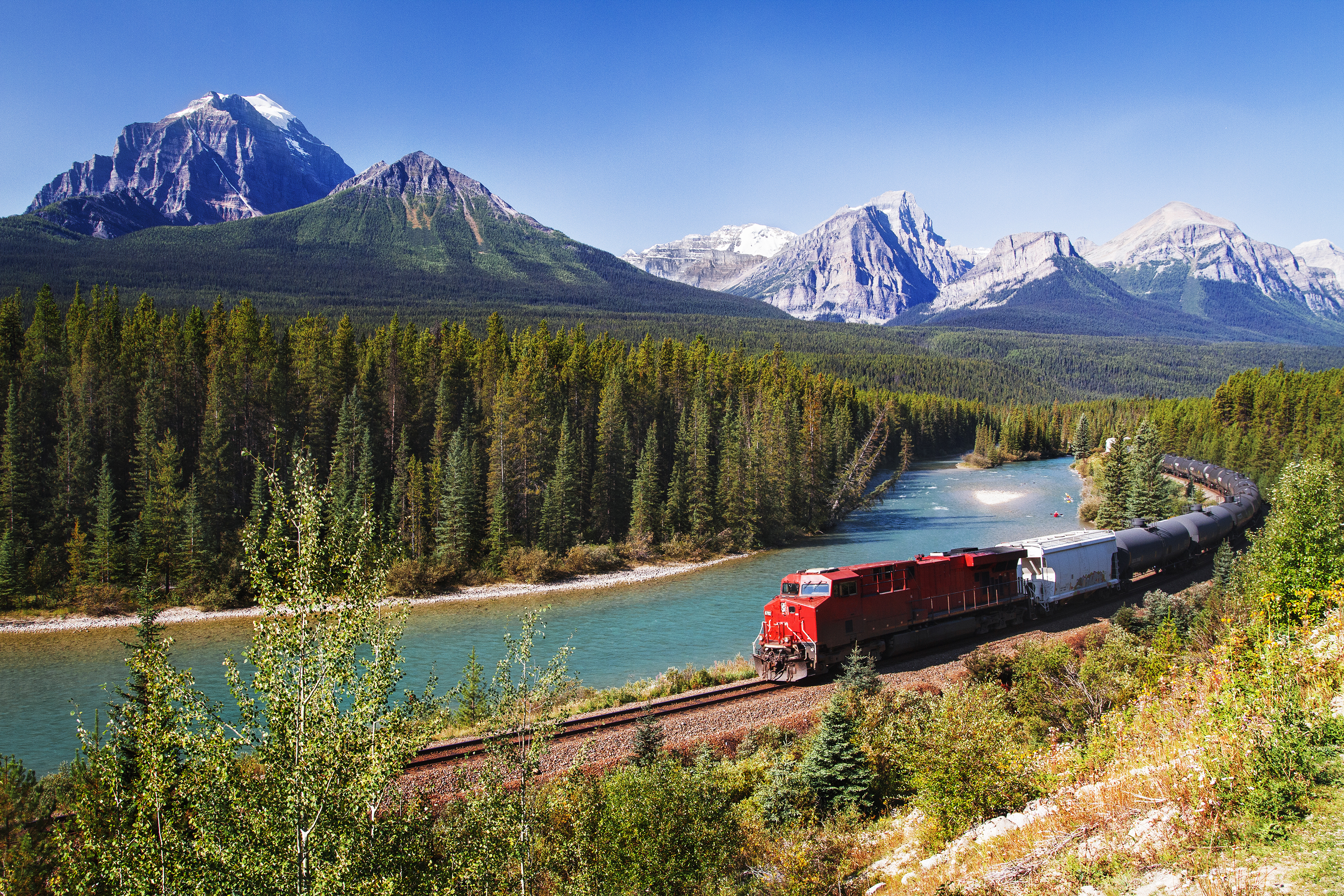
Some good practices were particularly adapted to mountain areas and are described hereafter. To find out more about other good practices, the SMARTA project will soon publish an online database, and in the meanwhile, you can (re)discover the 51 good practices identified by the Interreg IV C Move on Green project.


  • The Alpine Bus in Switzerland: In Switzerland, public transport serves a large part of the country. However, there are gaps, particularly in mountain regions. Places with fewer than 100 inhabitants do not receive financial support for regional traffic. Thus, attractive tourist destinations cannot offer a public transport service to their guests and suffer from congestion caused by individual motorised traffic. The Alpine Bus Association promotes public transport in Swiss mountain regions that are not eligible for compensation for this service. For instance, on Sundays and on general public holidays, the Alpine Bus takes its passengers from the end of the public transportation system up onto some natural parks, and ideal starting points for family-friendly walks.


  • Badenoch & Strathspey Community in Scotland: Badenoch & Strathspey Community Transport Company is a registered charity set up in 1999 to support the transport needs of the local community. They aim to provide affordable accessible transport for people living in a rural area, where public transport is very scarce. For instance, their Car Scheme is a car sharing scheme with volunteer drivers using their own cars to take clients to and from a destination of their own choice. To become eligible for the scheme, you must have no transport of your own and be unable to access public transport for whatever reason. Drivers are paid a mileage rate which is non-profit making and under car sharing legislation, so should not affect their car insurance.


  • Train with on-demand stops from Lleida to la Pobla (Spanish High Pyrenees) is a good practice from the Interreg Europe LAST MILE project: The train with stops on demand connecting Lleida to La Pobla was launched to develop a sustainable tourist model and to facilitate mobility for inhabitants. The train with stops on demand improve the flexibility and efficiency of the service, to access to the rural areas with tourist interest and to complete the last mile using an alternative transport mode different to the private car.


Share
12 February 2019

Euromontana sur Facebook

6 days ago

Euromontana
❄️ Winter may seem to have arrived, but climate change is shortening the season and making snowfall less reliable...leaving mountain resorts with a stark choice: close or adapt?⛰️ Head to Austria to discover how the Sankt Corona ski resort has responded to this challenge and turned a climate risk into a regional asset, as part of the Interreg Alpine Space - TranStat project: www.euromontana.org/sankt-coronas-response-to-climate-change-diversifying-tourism-for-a-resilient...👉 Explore our good practices database: www.euromontana.org/good-practices-database/ Photo credits © Wexl Arena St. Corona am Wechsel ... See MoreSee Less
View on Facebook

4 weeks ago

Euromontana
🎄𝗘𝘂𝗿𝗼𝗺𝗼𝗻𝘁𝗮𝗻𝗮 𝘄𝗶𝘀𝗵𝗲𝘀 𝘆𝗼𝘂 𝗺𝗼𝘂𝗻𝘁𝗮𝗶𝗻𝒔 𝗼𝗳 𝗵𝗮𝗽𝗽𝗶𝗻𝗲𝘀𝘀 𝗳𝗼𝗿 𝟮𝟬𝟮𝟲🎅 After a year full of events, encounters, political challenges and new collaborations, it is time for the secretariat to take a short break. We will meet again soon in 2026 to continue our actions and make the voice of mountain areas heard by the EU! 🏔️ But in the meantime, let's take a step back and look at the year 2025 before it comes to an end!This year, together we: 📃 celebrated the 30th anniversary of the Krakow Declaration, which paved the way for the creation of our network, and renewed our commitment to mountain areas 🔗 www.euromontana.org/thirty-years-on-calling-for-a-stronger-european-commitments-to-its-mountains/ 🤝 launched an Alliance for European Mountains, between elected representatives of the European Committee of the Regions and the European Parliament 🔗https://www.euromontana.org/press-release-alliance-for-european-mountains-launched-mountains-need-europe-and-europe-needs-mountains/ 👩‍🏫 collaborated on more than seven European research projects with our members and other partners all over Europe🧊 highlighted water-related challenges during this International Year of Glacier Preservation (hashtag#IYGP2025)🔗 www.euromontana.org/european-manifesto-for-a-governance-of-glaciers-and-connected-resources/👋 welcomed new members, including from Montenegro and Italy🌱 visited initiatives across Europe promoting resilience in our mountain territories, through research projects or by hosting our board of directors in Trento (Cooperazione Trentina) and Krakow (Małopolska)• and much more!Thank you to all our partners, members and friends of Euromontana for this wonderful year! ... See MoreSee Less
View on Facebook

4 weeks ago

Euromontana
⏮️ Last week, on 11 December, we celebrated International Mountain Day, established in 2002 by the United Nations to remind us of the role mountains play in many aspects of sustainable living 🌱 On this occasion, we were featured in an article by the Food and Agriculture Organization of the United Nations (FAO) Liaison Office with the European Union alongside other EU regions, sharing our vision of what mountains mean to their people, cultures, and economies 🏔️ 🗣️ Our "voices form a vivid mosaic—a portrait of landscapes that shape identity, heritage, and sustainable futures."Have a look 👉https://www.fao.org/brussels/news/news-detail/international-mountain-day--voices-from-the-peaks/en ... See MoreSee Less
View on Facebook

4 weeks ago

Euromontana
👩‍🌾 We are currently attending the EU Agri-Food Days, organised by the European Commission and DG AGRI, which are taking place in Brussels over the course of three days!We heard from the president of the European Commission Ursula von der Leyen and the European Commissioner for Food and Agriculture, Christophe Hansen, and attended numerous high-level political sessions with stakeholders in the sector 🗣️ The agenda included discussions on achieving a robust and contemporary CAP to ensure food security across the EU, establishing fair remuneration schemes within the food chain, and fostering a resilient agri-food sector 👩‍🌾 🌱 Euromontana will continue to play an active role in promoting a future CAP that benefits those most in need and supports the territorial development of rural areas in the face of climate change and generational renewal challenges 🏔️ 👉 Read our policy position on generational renewal within the CAP and our other contributions to the next European budget: www.euromontana.org/meeting-the-challenges-of-generational-renewal-shaping-the-future-of-mountain... EU Food & Farming ... See MoreSee Less
View on Facebook

1 month ago

Euromontana
🧊 Glaciers matter for water, food and livelihoods in mountains and beyond. This is what we are highlighting this year on 11 December, International Mountain Day.Every year, this day provides an opportunity to emphasise the crucial importance of these areas in terms of natural resources, biodiversity, identity, cultural heritage, ways of life, and more resilient models. However, all of this is under threat from climate change, poorly targeted funding and negative perceptions of pastoral professions.Today, we are putting the spotlight on these endangered ice giants throughout our mountain ranges!Did you know that: 💧The Alps alone provide 40% of Europe's fresh water?💡Glacier retreat will reduce hydroelectric energy production by an average of 10% in the Alps and by up to 35% by 2070 compared to today?🌱68% of irrigated agricultural land in the plains depends directly on water runoff from the mountains? ⛰️By 2034 the Pyrenees will be ice-free?📢An appropriate governance of glacier is needed to counteract the rapid changes!🧊 By signing the manifesto for better European governance of glaciers alongside 80 other organisations, we are calling for immediate and targeted political responses to the economic, social and environmental impacts of climate change.Have a look 👉 www.euromontana.org/european-manifesto-for-a-governance-of-glaciers-and-connected-resources/ #IMD2025 #InternationalMountainDay #MountainsMatterMountain Partnership ... See MoreSee Less
View on Facebook

Euromontana sur Twitter