
• fr
  • en

Challenges and policy perspectives for sparsely populated areas

Regional development in sparsely populated areas was discussed during the last European Week of Regions and Cities, held online in October 2020. Depopulation and demography issues were discussed in the context of the new programming period and just a few months after the publication by the European Commission of its Report on the Impact of Demographic Change.
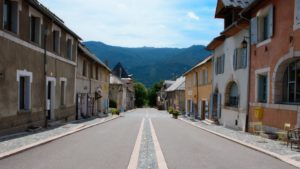
3.2 million people in the European Union currently live in sparsely populated areas. Some mountain areas in Europe are also sparsely populated ones, like in Spain, France and Greece. In the next decades, various mountain territories are also at risk of becoming sparsely populated. This article highlights the latest analyses on sparsely populated areas and the political opportunities to respond to these challenges in the post-2020 period. Some revitalisation initiatives from the EU Regions Week are also presented.

Read the article (for members only).

Share
28 October 2020

Euromontana sur Facebook

6 days ago

Euromontana
🎉Registration is now open for the XIV European Mountain Convention !Join us in Sallanches from 9 to 11 June to shape the future of extensive livestock farming in mountain territories🌄Round tables with policy makers, inspiring speeches, participatory workshops, study visits, networking opportunities and much more! Programme, registration and practical info ↩️www.mountainconvention.eu #IYRP2026📷 credits (c) SEA74 ... See MoreSee Less
View on Facebook

2 months ago

Euromontana
❄️ Winter may seem to have arrived, but climate change is shortening the season and making snowfall less reliable...leaving mountain resorts with a stark choice: close or adapt?⛰️ Head to Austria to discover how the Sankt Corona ski resort has responded to this challenge and turned a climate risk into a regional asset, as part of the Interreg Alpine Space - TranStat project: www.euromontana.org/sankt-coronas-response-to-climate-change-diversifying-tourism-for-a-resilient...👉 Explore our good practices database: www.euromontana.org/good-practices-database/ Photo credits © Wexl Arena St. Corona am Wechsel ... See MoreSee Less
View on Facebook

2 months ago

Euromontana
🎄𝗘𝘂𝗿𝗼𝗺𝗼𝗻𝘁𝗮𝗻𝗮 𝘄𝗶𝘀𝗵𝗲𝘀 𝘆𝗼𝘂 𝗺𝗼𝘂𝗻𝘁𝗮𝗶𝗻𝒔 𝗼𝗳 𝗵𝗮𝗽𝗽𝗶𝗻𝗲𝘀𝘀 𝗳𝗼𝗿 𝟮𝟬𝟮𝟲🎅 After a year full of events, encounters, political challenges and new collaborations, it is time for the secretariat to take a short break. We will meet again soon in 2026 to continue our actions and make the voice of mountain areas heard by the EU! 🏔️ But in the meantime, let's take a step back and look at the year 2025 before it comes to an end!This year, together we: 📃 celebrated the 30th anniversary of the Krakow Declaration, which paved the way for the creation of our network, and renewed our commitment to mountain areas 🔗 www.euromontana.org/thirty-years-on-calling-for-a-stronger-european-commitments-to-its-mountains/ 🤝 launched an Alliance for European Mountains, between elected representatives of the European Committee of the Regions and the European Parliament 🔗https://www.euromontana.org/press-release-alliance-for-european-mountains-launched-mountains-need-europe-and-europe-needs-mountains/ 👩‍🏫 collaborated on more than seven European research projects with our members and other partners all over Europe🧊 highlighted water-related challenges during this International Year of Glacier Preservation (hashtag#IYGP2025)🔗 www.euromontana.org/european-manifesto-for-a-governance-of-glaciers-and-connected-resources/👋 welcomed new members, including from Montenegro and Italy🌱 visited initiatives across Europe promoting resilience in our mountain territories, through research projects or by hosting our board of directors in Trento (Cooperazione Trentina) and Krakow (Małopolska)• and much more!Thank you to all our partners, members and friends of Euromontana for this wonderful year! ... See MoreSee Less
View on Facebook

Euromontana sur Twitter