
• fr
  • en

Evaluation of the EU’s Strategy on Adaptation to Climate Change: What future for Europe’s mountains?

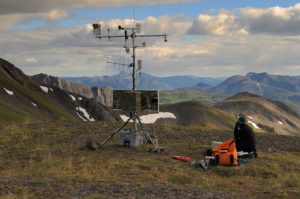
Pam at Imelyak climate station

In 2016, the Commission launched an evaluation of the EU Adaptation Strategy (adopted in 2013) to examine the actual implementation and performance of the strategy. As part of the evaluation process, a stakeholder consultation was open from 7 December 2017 to 1 March 2018.

In the response, Euromontana highlighted the need to address the specificities of mountainous areas despite the absence of mountain environments from large environmental treaties such as the Paris Agreement. Euromontana further wished to pin point areas where the Strategy could better target adaptation in mountain regions, which are amongst the first areas to be affected by climate change. This includes national strategies taking into account mountainous regions; for LIFE funding to focus more on ecosystem services, particularly as mountains are biodiversity hotspots across the EU; better research and data on the impacts of climate change on mountainous regions; the improvement of CAP, Cohesion, Tourism, and Sustainable Transport policy for specific mountain concerns; a focus on improving Information and Communication Technologies (ICT) in mountainous areas to decrease their carbon footprint and making it possible to collect information on climate change from the region; and better risk management for such areas.

Euromontana replied to this consultation by providing recommendations for improving the effectiveness of the Strategy in mountain regions. Recommendations were based on the Bragança Declaration, on work done by NEMOR (Network for European Mountain Research) and Euromontana’s response to the 2017 CAP consultation. The evaluation is planned to be completed by the end of 2018.

Read Euromontana’s response to the consultation here

Share
22 March 2018

Euromontana sur Facebook

17 hours ago

Euromontana
📰𝗖𝗮𝗹𝗹 𝗳𝗼𝗿 𝗰𝗼𝗻𝘁𝗿𝗶𝗯𝘂𝘁𝗶𝗼𝗻𝘀 𝗻𝗼𝘄 𝗼𝗽𝗲𝗻 𝗳𝗼𝗿 𝗽𝗼𝘀𝘁𝗲𝗿𝘀 𝗮𝗻𝗱 𝗽𝗵𝗼𝘁𝗼𝘀 𝗮𝘁 𝘁𝗵𝗲 𝗘𝘂𝗿𝗼𝗽𝗲𝗮𝗻 𝗠𝗼𝘂𝗻𝘁𝗮𝗶𝗻 𝗖𝗼𝗻𝘃𝗲𝗻𝘁𝗶𝗼𝗻 𝟮𝟬𝟮𝟲!As part of the Convention exhibition area, 20 selected posters and professional photographs will showcase innovative practices and successful experiences from across Europe, helping to make knowledge on extensive #livestock in mountain areas accessible and engaging for all participants 🏔️ We invite researchers, local and regional authorities, NGOs, photographers...to submit their contributions🌄Practical information- Posters must be in English or French- Accepted formats: from A2 to A0- Both vertical and horizontal layouts are accepted- A maximum of 20 exhibition spots are available- Applications will be reviewed on a rolling basis🗓️ Deadline: 4 June 2026👉 Submit your poster or photo(s): docs.google.com/forms/d/e/1FAIpQLSfdxC19XdEZkR8zy4-q6Wh6UfX1GJYSFvPNFHE5G9aq85yIAA/viewform🔗 Check the guidelines for presenters on the Convention website: www.mountainconvention.eu#IYRP2026 ... See MoreSee Less
View on Facebook

2 weeks ago

Euromontana
And that's a wrap for the first Euromontana Board of Directors meeting of the year 🇮🇹 Last week, the Board members examined the development of the network and reported on ongoing activities and plans for the coming months, as well as the network's advocacy priorities! 🏔️ The day also included a tour of the Università della Montagna premises, (who are kindly hosting the meetings) and meeting with Luca Masneri, the Mayor of the Commune of Edolo. We had the pleasure to hear presentations from B.I.M. del Sarca President, who act to safeguard the rights of mountain communities by providing compensation for the hydroelectric development of the River Sarca and its tributaries, as well as from CALRE (the Conference of European Regional Legislative Assemblies), presenting their annual priorities 💡 A lot of food for thought here, so stay tuned!👀 Curious about our governing bodies and ways of functioning? Have a look: www.euromontana.org/governing-bodies/ ... See MoreSee Less
View on Facebook

3 weeks ago

Euromontana
🇮🇹 Live from Edolo were Euromontana's Board of Directors is gathering for its first meeting of the year!Yesterday, the group reached the 3,000 m to witness the impact of climate change on tourism and on the Presena glacier, explained by Consortia Pontedilegno-Tonale, and then learned about the alteration of the alpine ecosystem from Stelvio National Park and Adamello Regional Park🏔👉Fauna, flora and local communities are affected by the shorter period of snow cover, which disturbs the habitats and physiological clocks of species, as well as the availability of water, predation cycles and the cultural landscape. In the afternoon, the visits continued with the FerroMiners (Miniera Ferrominers), who are bridging the diversification of tourism activities in the valley through the revitalisation of historical iron mining sites⛏️A big thanks to our member Università della Montagna for the organisation 👏 ... See MoreSee Less
View on Facebook

Euromontana sur Twitter