



On April 6th, 2017, Euromontana’s team and members of the South-West Europe Circular Economy Group visited Alzen, a village in the Pyrenées Ariégeoises, in the south-west of France. Alzen has managed to become an attractive destination for new inhabitants, including young people. Indeed, in 40 years, Alzen quadrupled its population. How has a small mountain village succeeded in attracting new inhabitants and families?
Context
Alzen is a village in the Pyrenées Ariégeoises Regional Natural Park, located at 750 meters above sea level, in the department of Ariège. Like many mountain villages, Alzen has seen its inhabitants leave for the city since many years (1000 inhabitants in 1850). In 1972, only 60 inhabitants were still living in Alzen. Today, there are more than 260 inhabitants. Many families returned to live and work in Alzen. The municipality of Alzen is experiencing a rapid growth of its population thanks to a welcoming policy of new arrivals and a social and cultural dynamism that makes the village attractive. Most of these initiatives are André Rouch, mayor of Alzen for the last 30 years, and his municipality staff’s will and dynamism.
The adopted measures and the attractive factors
The main attractive factors in Alzen are employment and education.
- The dynamism of work.
Today, the inhabitants of Alzen can find a job in various sectors. Some work in agriculture, others are employees of the public or private sector and others are self-employed. In addition, Alzen welcomes the CASTA insertion project, which currently employs 20 persons at the Ecomuseum, and the Naturalists of the Ariège association employs about 15 employees. These jobs allow many people to live and work in the village.
- Maintaining a school.
Following the request of three families, the school of Alzen reopened in 1976 with four students after closing two years earlier. Today the school has 55 children divided into 3 classes. To meet the growing needs, a canteen and a library were built. In order to maintain youth and a school within the village, the municipality gives priority to families with children.

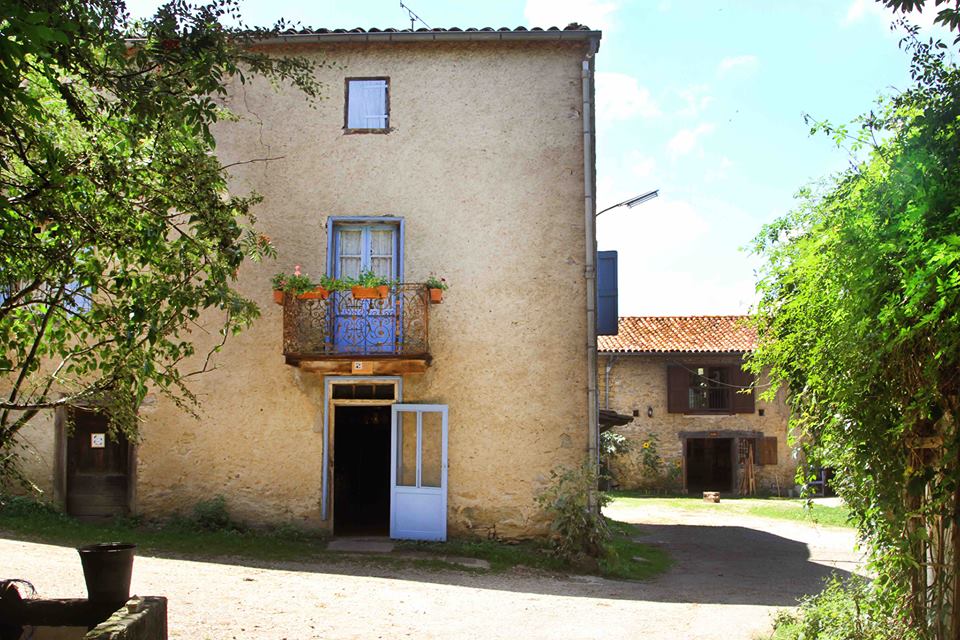
Moreover, Alzen also implemented some innovative measures.
- Purchasing of dwellings by the municipality.
The municipality has bought and owns 21 houses, half of the houses in Alzen. These homes have been transformed into social housing, allowing families with low incomes to live there. These social lands are part of the welcoming newcomers policy.
- Local wood heating for all.
Alzen’s mayor has set up an ecological and economical heating system for every household in the municipality: an automatic wood-fired boiler. The boiler is supplied with wood chips. The wood comes from the public forests and the chips are processed 7 kilometers from Alzen. Therefore, the initiative provides heating and electricity to all households at an extremely attractive rate, while being part of a circular economy and maintaining jobs in the region.
- Creation of an Ecomuseum.
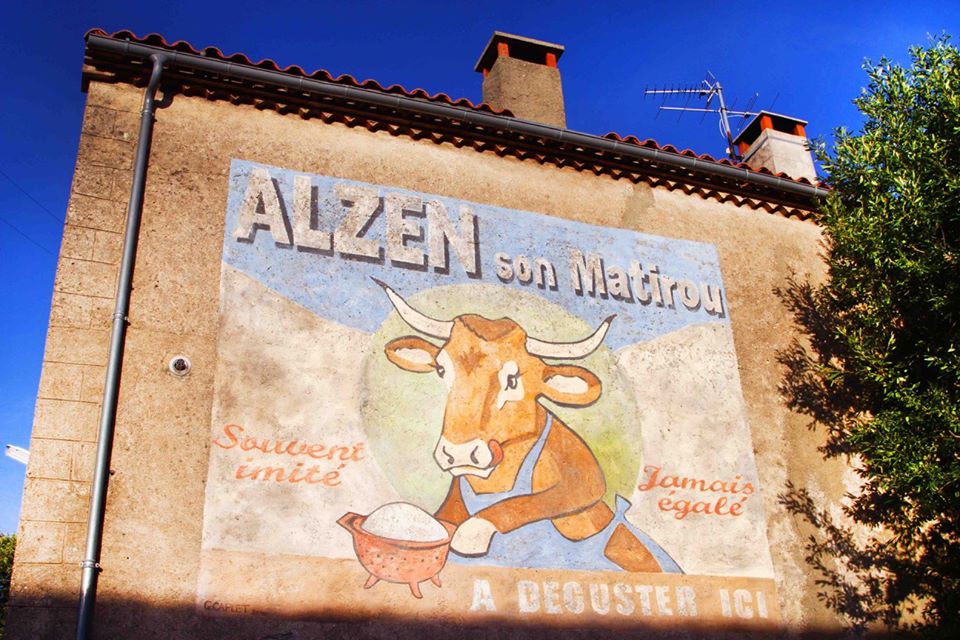
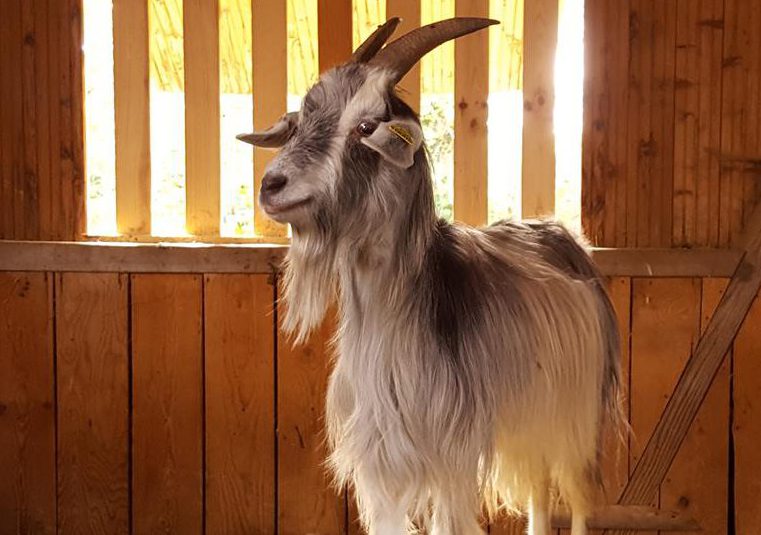
The village also created an Ecomuseum by purchasing two farms. Alzen Ecomuseum offers various activities to discover the rural life: a traditional farm with endangered Pyrénées animals, exhibitions, a restaurant that offers local products and various animations. A dynamic project that welcomes schools or seminars and which creates employment for the CASTA insertion project.
Results and conclusion
The results are indisputable: Alzen almost quadrupled its population in 40 years. Thanks to a dynamic strategy and targeted actions, the village has become an attractive place for families who are looking for accommodation in the mountains while reconciling work and family life. In addition, Alzen has managed to develop tourism thanks to its various activities, the Ecomuseum and its capacity of reception within the municipality.
This good practice could also be applied to other mountain villages that seek to attract new inhabitants, including families.
For more information, you can visit the website of the Ecomuseum of Alzan (in French)
The question of the attractiveness of mountain areas is an important one for small mountain villages, to maintain living areas and avoid depopulation, which is why we have defined strategies to improve the attractiveness of these areas during the PADIMA project, you can find the guidelines and others good practices on the project’s website


