



During the European Week of Regions and Cities, which took place on 11-13 October 2016 in Brussels, our very own Damiana Maiz presented the innovative potential of mountainous areas, during a workshop on that topic, focused on the Mediterranean rural areas. Indeed, this event was a good opportunity to give evidence of how it is often falsely assumed that rural areas are not suitable territories for innovation.
The first session of the workshop tackled the issue of multi-funding and drivers for innovation. Innovation in rural areas should happen through modernization of agriculture (based on the implementation of the Cork 2.0 Declaration) but also a shift in the policies, more inclusive of the local scale especially, transversal and coordinated. The role of private investment and networks should not be underestimated in that process.
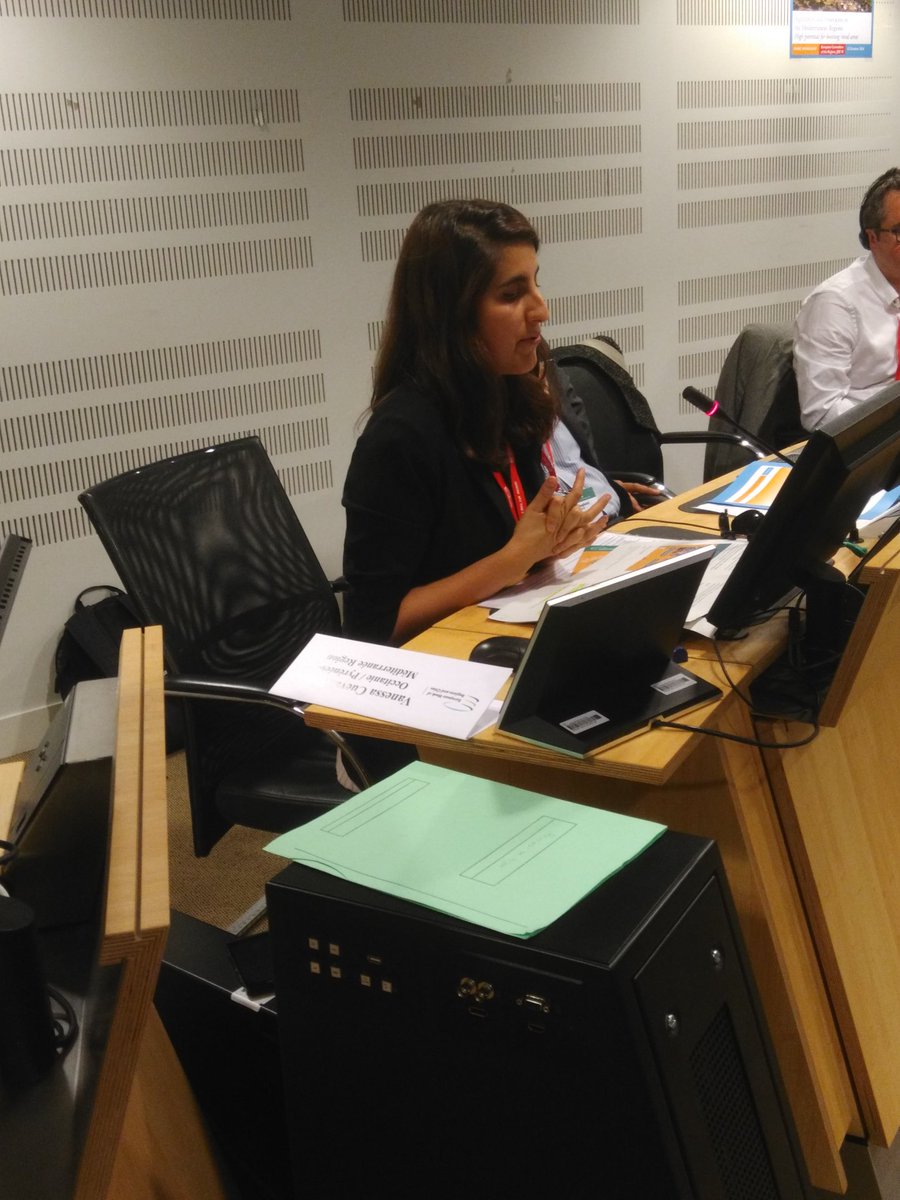 The second session gave concrete examples of agricultural innovation in rural areas. Damiana Maiz from Euromontana presented the network and the projects linked to biofuels and governance, showing that the natural constraints of territories are a source of innovation. The new use of ICT applied to the agricultural challenges is an issue and an opportunity for these territories. However, it is necessary to build or consolidate a relationship of trust between farmers, researchers and local authorities by using “emotional intelligence techniques”. Her presentation is available here.
In conclusion, environmental measures, quality of products and use of digital tools were pin-pricked as areas for innovation. It was also said that research needed to be “decompartmentalized” to serve transversal thematic purposes rather than being motivated by responses to calls for projects. Acceptability of innovation and of new agricultural models by the society is crucial. A systemic approach will be achieved only via transversality and new working methods; which are appearing in the bio-economy and circular economy.
You can find the proceedings of the session following this link.
15 November 2016


