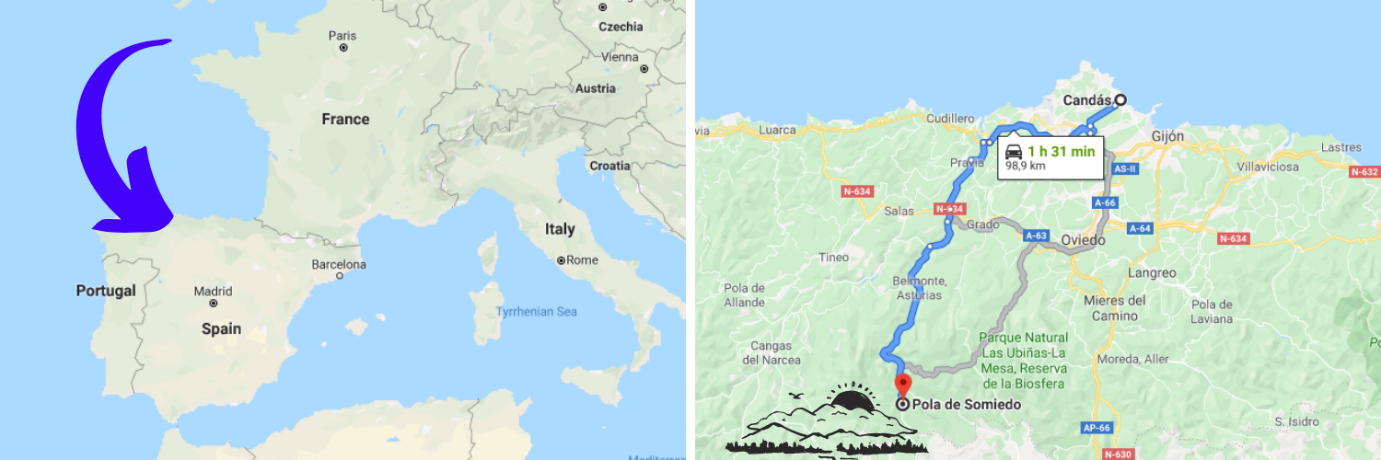
The 4th European Rural Parliament was organised in November 2019 in the mountainous region of Asturias in Spain. The village of Candas hosted the event which gathered more than 300 participants including rural people, representatives of civil society organisations, researchers, national governments and institutions of the European Union.
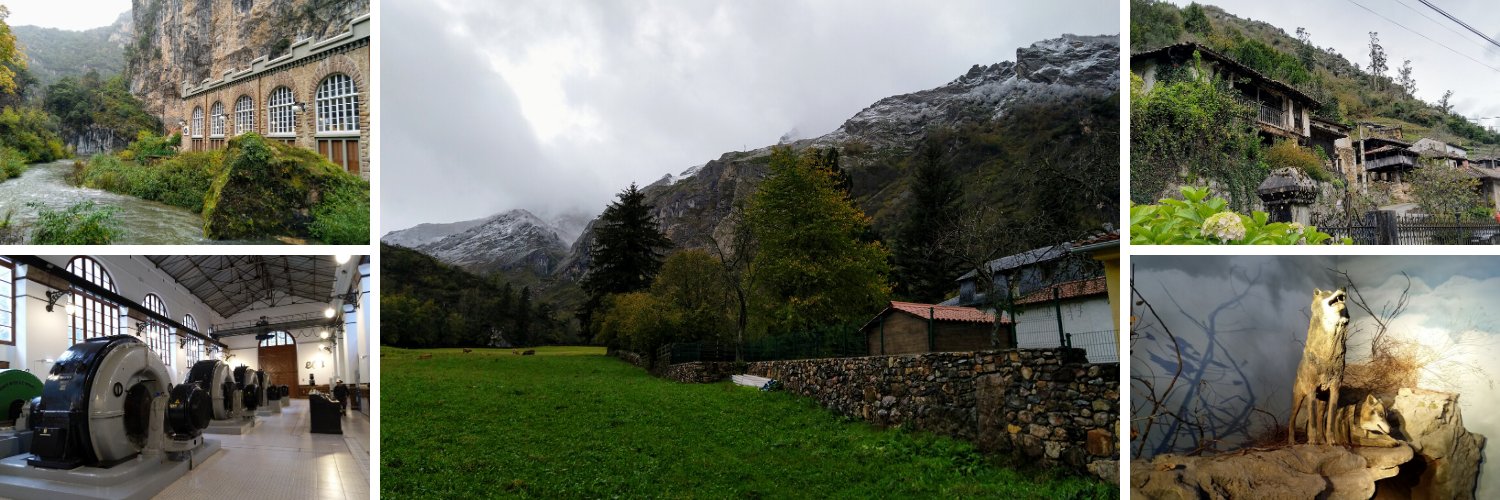
Several study visits were organised during the event, and one focused specifically on mountain villages. The study visit gave participants the opportunity to discover some aspects of mountain development such as production of renewable energy and multi-functional extensive farming systems. Given the location of the event in the sparsely populated Cantabrian mountains, there was also a very strong focus on mountain biodiversity and the local populations of large carnivores.
The study visit illustrated the diversity of policy tools and public partnerships available for local development projects in mountains areas.
Hermanos Marrón artisan bakery
The baker worked and lived his whole life in the nearby city of Gijon until 2013 when, supported by his wife and children, they decided to return to the village of Belmonte de Miranda to start a traditional bakery with products made from raw materials coming mostly from the Belmontine valleys (water, sausages, meats …). Their specialty is the vaqueiro bread, made with spelt flour and kneaded by hand with milk, a traditional recipe of the area. The spelt they use is a traditional mountain variety which they are helping to perpetuate through their activity. This project received support from LEADER through the Camín Real de la Mesa Rural Development Group.
Hydroelectric Power Plant La Malva
The Hydroelectric Power Plant La Malva, located in the Somiedo Natural Park and Biosphere Reserve, was the first large generating plant in the region of Asturias and the origin of the company “Hidroeléctrica del Cantábrico”. This installation, which has just celebrated its 100th anniversary, was a titanic project for the time that included the construction of 17 kilometres of tunnels and 570 metres of waterfalls in a steep area located 1,500 metres above sea level. In addition, the first 73 kilometres of high-voltage networks were installed between the power station and major urban centres. It was a major infrastructure project for the development of Asturias, also leading to the development of a road network connecting the Somiedo valley with the main neighbouring cities. The plant has a power of 9.14MW and produces 44,000 MWh per year.
The Interpretation Center of the Natural Park of Somiedo
Somiedo was the first Asturian area to be declared a Natural Park in June 1988, soon after Spain entered the European Union. This status was complemented in 2000 by a nomination as Man and Biosphere Reserve. Somiedo’s main economic activity has been and continues to be extensive meat farming. However, the Natural Park image has translated into a notable increase in the tertiary sector related to visitor services and a greater tourist influence.
The House of The Wolf
The House of the Wolf is located in the centre of the Belmonte de Miranda municipality. This museum initiates the visitor to the wolves’ morphology, its behaviour, distribution, nutrition, relation with man, myths and legends, and popular beliefs about this species. Wolf attacks on flocks cost 1-2 million euros each year to the regional council, so the Belmonte de Miranda municipality is involved in an operational group currently developing a system to better identify the cause of the damages (wolves, bears, other causes, …) and encouraging discussion among the different stakeholder groups. An estimated 2,500 Iberian wolves and 350 Cantabrian bears live in North-West Spain and Portugal (European Parliament, 2018). The nearby location of the Somiedo natural park where human activities are strictly regulated, and the low population density of the area have led to positive conservation efforts and increasing population numbers. The image of the large predators is commonly used for tourism marketing in the area.