



What is the International Conference on Research for Sustainable Development in Mountain Regions?
 The International Conference on Research for Sustainable Development in Mountain Regions (ICRSDMR) is a scientific event for sharing and discussing methods, tools, results, applications, trends and challenges in research in mountain systems. This event was organized for the first time in Bragança by IPB-CIMO[1] (and other institutions such as Embrapa, the Chair in Mountain Sustainable Development at Perth University, ADVID and Euromontana) in October 2016, under the theme “Ecosystem services and sustainable development”, as part of the Mountains 2016 along with the X European Mountain Convention. The conference addressed the current state of mountain science and how its latest conceptual and practical developments can support sustainable development. Ecosystem services, given the relevance of the approach and applications, played a central role in the conference. The conference was also the stage for the formal establishment of research networks that are currently under development. One such initiative is the LuMont – Lusophony Mountain Research Network launched recently with the support of MRI, or the Research Network on Mountain Ecosystems established at the end of 2016 in Portugal (see Euromontana’s article).
Ecosystem services and sustainable development in mountain areas
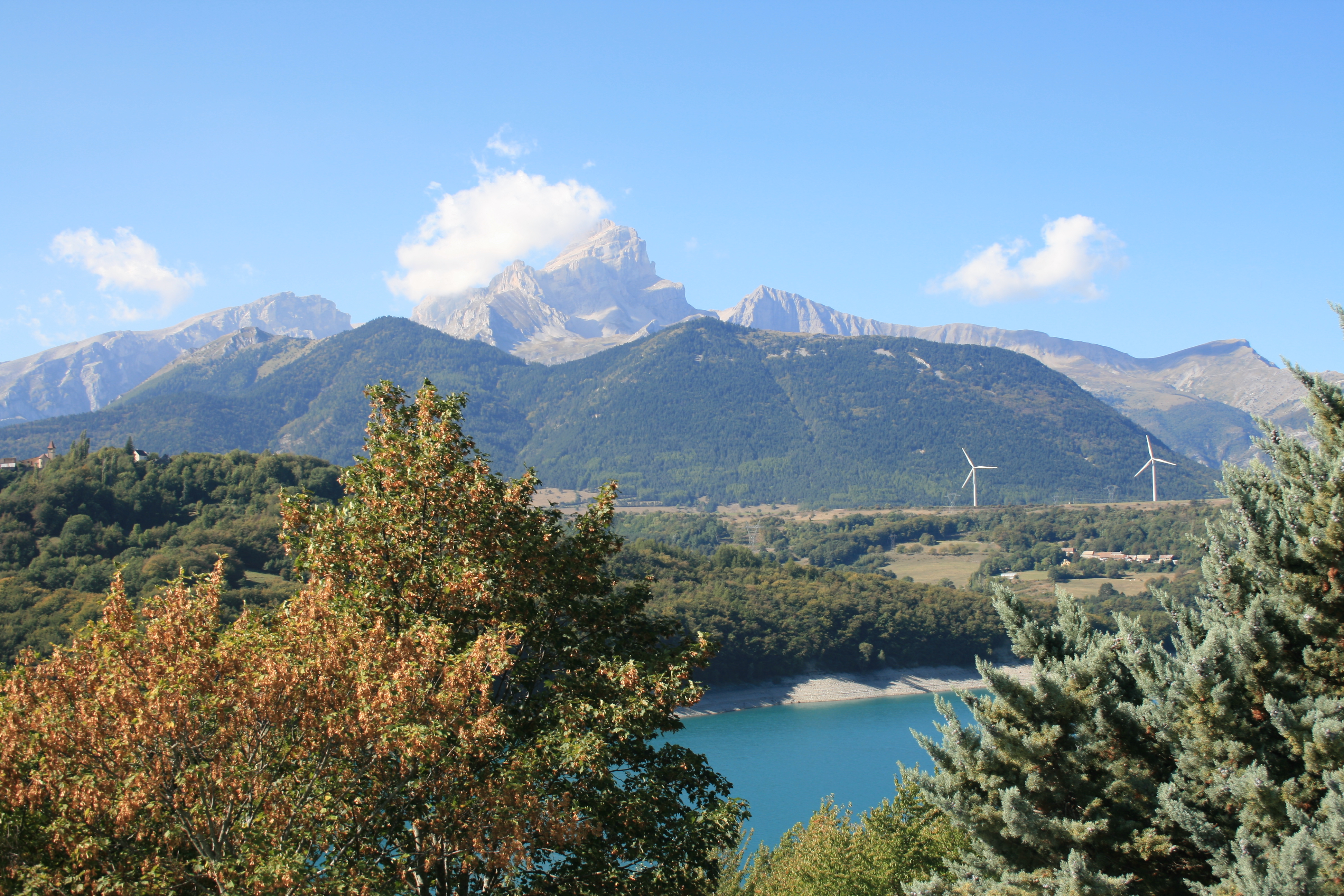 The sustained provision of environmental and social benefits by mountain ecosystems are vital to mitigate the impacts of two main threats affecting mountains which were discussed at the conference: climate change for the environmental aspect and rural depopulation for the social one. Indeed, climate change is a threat to water resources because of glacier-melt and of shifts in rainfall patterns; to biodiversity because of the migration to higher altitudes of plants and animals and the occurrence of new pests, diseases and invasive species, as well as droughts; and finally, to infrastructure and human lives with the increased risk of landslides due to extreme climatic events. On the other hand, rural depopulation has been an on-going phenomenon for decades driven by a lack of jobs and opportunities in remote areas like mountains, as well as basic amenities, even though mountains are full of resources and cultural heritage. The interlinkage between ecosystem services and the current issues mountain areas are facing is clear, which is why projects such as PEGASUS are important to protect and improve the delivery of those services.
The results brought forward during the conference are further confirmed by the PEGASUS project case studies. Approximatively 10 of the PEGASUS case studies are linked to mountain areas in countries such as Austria, Czech Republic, France, Italy, Slovenia or even the UK (see list here). What can be concluded regarding ecosystem services from these case studies, which was also underlined throughout the Bragança conference, is that mountain ecosystems are particularly important in the delivery of the following services: conservation of habitats, populations and genetic resources; protection of landscapes and cultural heritage; rural vitality; protection against natural hazards; food production through water and soil management; and climate regulation through carbon sequestration and storage. Thomas Dax, from BABF, the Austrian partner of the PEGASUS team, presented the rationale of the project and selected results from an Austrian mountain case study specifically during the conference (see our article on that subject).
How can these results be integrated in EU or national policies?
One of the final tasks of the PEGASUS project is to publish policy recommendations. Indeed, at the policy level, the European Union and Member States must give more importance to ecosystem services, and integrate recent research results, in order to protect and improve the delivery of those services and so secure the associated benefits.
At the European level, in 2011, the EU adopted the EU Biodiversity Strategy to 2020 setting out 6 targets and 20 actions to halt the loss of biodiversity and ecosystem services in the EU by 2020. Target 2 of this strategy (COM/2011/0244) calls for ecosystems and their services to be ‘maintained and enhanced by establishing green infrastructure and restoring at least 15 % of degraded ecosystems’ by 2020. DG ENV in the European Commission has begun working on mapping and assessing ecosystems and their services, in the context of the mid-term review of the EU’s 2020 Biodiversity Strategy.
Some Member States have also taken first steps to enhance the provision of public goods, such as in France where the recently adopted “Loi Montagne II” now includes specific payments for ecosystem services (PES) in the endowments granted to mountain communes, or in Italy where the Lombardia Region implements PES schemes in Natura 2000 sites. Also in Italy, but unrelated to PES, the Italian Ministry for Territorial Cohesion presented in 2012 the Strategy for the Inner Areas 2014‐2020 to improve the quality of life and economic wellbeing of inhabitants. Based on a comprehensive set of socioeconomic indicators, the concept of inner areas defines municipalities with demographic problems, which are distant from centres of agglomerations and have services with unstable development paths but which are characterised by high attractiveness due to resources not available in urban areas. The Italian Strategy is meant to bring novel means of governance to inner areas and indirectly favour the delivery of ecosystem services through place-based local development plans. In the final phase of its research, the PEGASUS project will make a full review of such existing policy instruments in order to provide policy recommendations for a better and more sustained provision of environmental and social benefits in the EU.
There is no unique solution to integrate ecosystem services in policies, and policy recommendations emanating from H2020 projects such as PEGASUS are a means of bridging the gap between research and policy-making.
[1] Polytechnic Institute of Bragança – Centro de Investigação de Montanha (Mountain Research Centre) based in Bragança, Portugal
7 March 2017


