



2022 is a record year in Europe, according to the European State of the Climate report published today by the EU Copernicus Climate Change Service. The summer of 2022 has been the warmest on record in Europe, and the effects of drought and wildfires are already being felt this spring.
Italian Alps hit hard by lack of rainfall
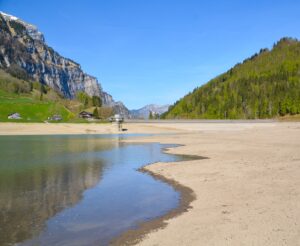
High temperatures were combined with a lack of precipitation throughout 2022. In the first half of the year, from January to August, much of Europe experienced below-average precipitation. On the continent, the Italian Alps were among the worst affected areas. According to the Copernicus report, spring snowfall was 60% below average and up to 75% below average locally.
The combination of higher temperatures and lower precipitation is not without consequences for mountain glaciers, which continued to lose mass at a rapid rate. In 2022, a large reduction in glacier mass was observed globally, with only glaciers in Scandinavia showing a slight increase in glacier mass. As a result of a warm summer and a lack of precipitation and snow in winter, 2022 was a sad record for glacier ice loss in Europe, with a loss of 5 km3 in the Alps, according to the report.
The melting of glaciers has serious consequences given the ecosystem services they provide, first and foremost for the provision of drinking water. In the northern Alps for instance, Lake Constance, supplied by rainwater and meltwater from the Alps, provides drinking water to about 4 million people in 320 towns and communities in Baden-Württemberg.
Second worst year for forest fires
High temperatures and drought contributed to an increase in forest fires in 2022. The Copernicus report argues that periods of rising temperatures and dry soils have compounded each other, increasing fire risk across most of Europe.
These climatic conditions favoured the spread of large forest fires across the continent, with extreme wildfires of more than 10 000 ha recorded in the Czech Republic, France, Portugal, Slovenia and Spain. In total, Copernicus estimates that more than 900 000 hectares were burnt across the European Union last year, making 2022 the year with the second largest area burnt by wildfires on record.
Again, this has important implications for mountain forests. Many fires occur in mountainous Natura 2000 sites, which are home to rich and unique biodiversity. In addition, forests are able to absorb moisture and CO2, which is released into the atmosphere during fires, exacerbating global warming.
Where does that leave us for 2023?
The sad records of 2022 could be repeated in 2023. As our forest fire research project FIRE-RES has shown, winter drought is affecting many European countries. A map of current droughts in Europe from the Copernicus programme shows alerts for low precipitation or soil moisture in areas of northern and southern Spain, northern Italy and southern Germany, with almost all of France affected.
This lack of precipitation inevitably increases the risk of early fires. In the Pyrenees Orientales in France, a fire has already ravaged 1,000 hectares of forest this week, spread by wind and dry soil.
But it is not only fires that are affected by the climate situation. In the same region of the Pyrenees Orientales, the lack of rainfall and low groundwater levels have already deprived four mountain villages of drinking water since April.
The Copernicus report on the state of climate is another illustration of the hypersensitivity of mountain areas to climate change and a further evidence of the need to take better account of mountain areas in climate and territorial development policies at all levels.
20 April 2023


