




One of the core objectives of the project PADIMA was to identify Good Practices for fighting depopulation in mountain areas.
All project partners have undertook field work in their mountain regions; they have met and discussed with field actors and stakeholders. Together they have identified and described successful initiatives implemented in one area and which have already given positive results against depopulation.
Main facts about each good practice have been presented in a short table, easy to read. It contains the contact details of people that develop the initiative on the field and where more information can be obtained.
Thus, 99 Good Practices have been collected. They are concentrated around the 3 topics looked at within the project; 42 Good Practices address the education and training, 28 territorial marketing and 29 economic diversification. Read our guides to find out more:
We wanted to present in a more detailed way some of our good practices, in particular the ones that have encountered a lot of interest within the partnership. You will find them further down.
Adult training and education
Education for adults and immigrants through ICT in small villages in Teruel, Spain
Education and training in environmental issues at Pracatinat in Torino region, Italy
Initial education – key competences to find a job
Education on health and social care in Dalarna, Sweden
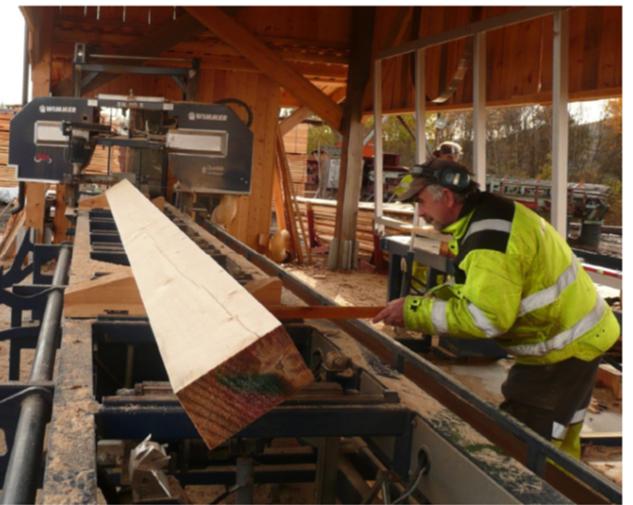
“Enterprises in schools” days to enhance recruiting to wood industry in Buskerud, Norway
Territorial marketing campaigns
Creation of a strong regional brand, the experience of Dalarna, Sweden
Albergo Diffuso di Ornica, increasing touristic presences in remote villages, Lombardy, Italy
Move to the mountain region, marketing campaigns, Hedmark, Norway
Welcome policy in Limousin Area, communication, installation, integration campaigns, Regional Council of Limousin, France
Welcome and integration of new inhabitants
HABITATE, joint strategy to attract, support and integrate exogenous population, Teruel, Spain
Light in windows, large project encouraging the transfer of unoccupied farm, Buskerud, Norway
Regional agency for mountain settlements, Federica Corrado, Province of Turin – Association Dislivelli, Italy

Préparing the conditions for economic diversification
Installation of terminals for better access to public services in the rural and mountain areas, region Auvergne, France
“Innovative Women” targeting women living in the mountain region of Buskerud County and providing them with support to network, train and create their own business, Buskerud, Norway
Microfinance for small businesses in the mountain, Teruel, Spain
Better cooperation between the Swedish ski resorts, set up by the regional authorities to enable ski actors to work together, save energy and network with the aim of improving skills and reducing costs, Dalarna
Examples of succesful diversification in mountain areas
“Horses as Driving Forces for Settlement, Occupation and Quality of life” shows how one can develop a cluster of excellence in tourism and animal breeding, when the ambition and the talent are gathering the financial support in a public-private partnership, Hedmark, Norway
“From picking to the culture of truffles“, Braca, Northern Italy (Lombardy region), where thanks to the know-how combined with agricultural research, local partners were able to move from the collection to the culture of the famous mushrooms
Agrischools nursery for children up to 7 years (living in the mountain villages and the surrounding towns) in the mountain farms, converted into nurseries, Torino, Italy

If you look for more ideas, we recommend you to read our full collections of good practices (upper on this page).


